
 VINYL PROGRAM
The Idea
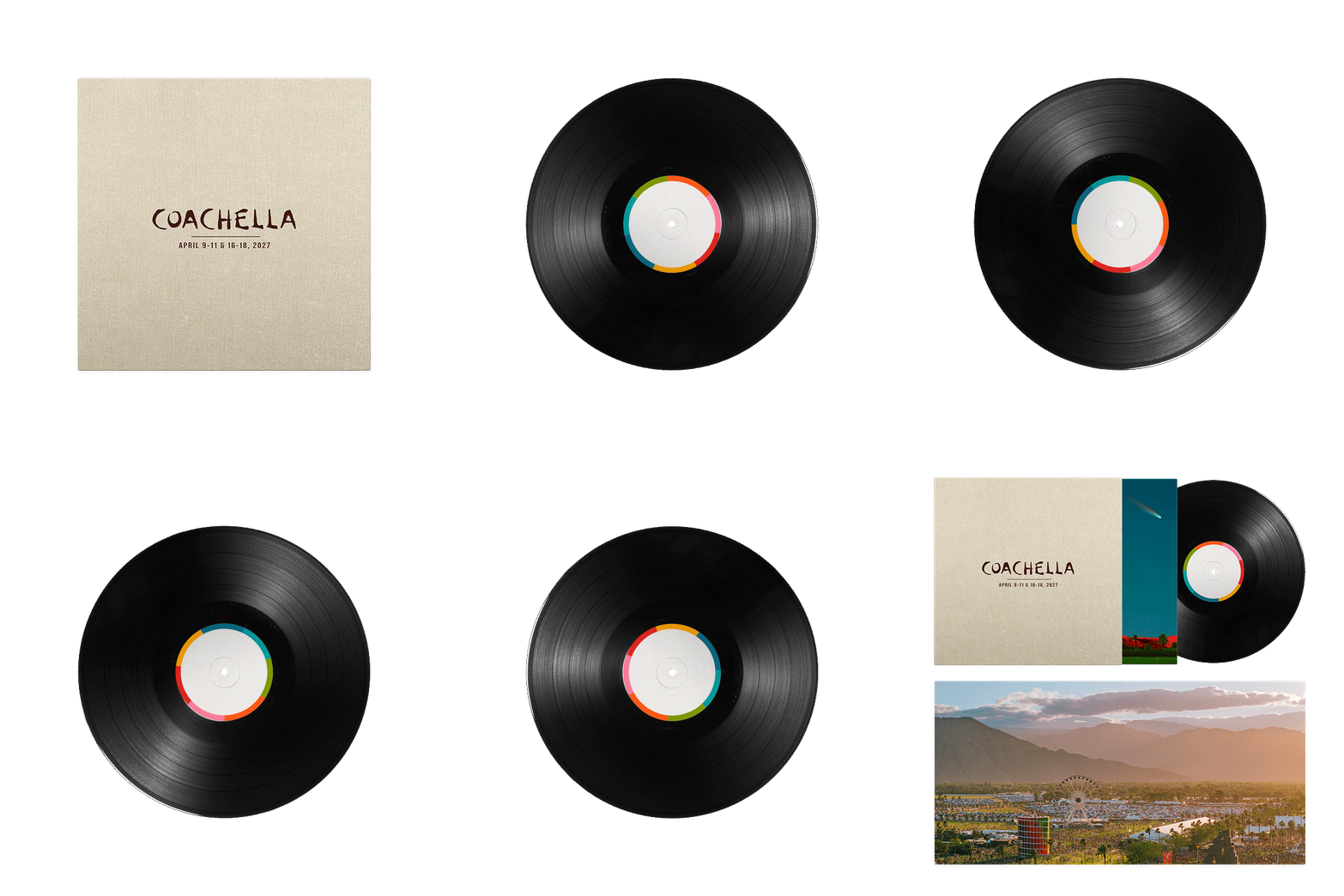
An official vinyl release for each year of Coachella, with one record for Friday, one for Saturday and one for Sunday.
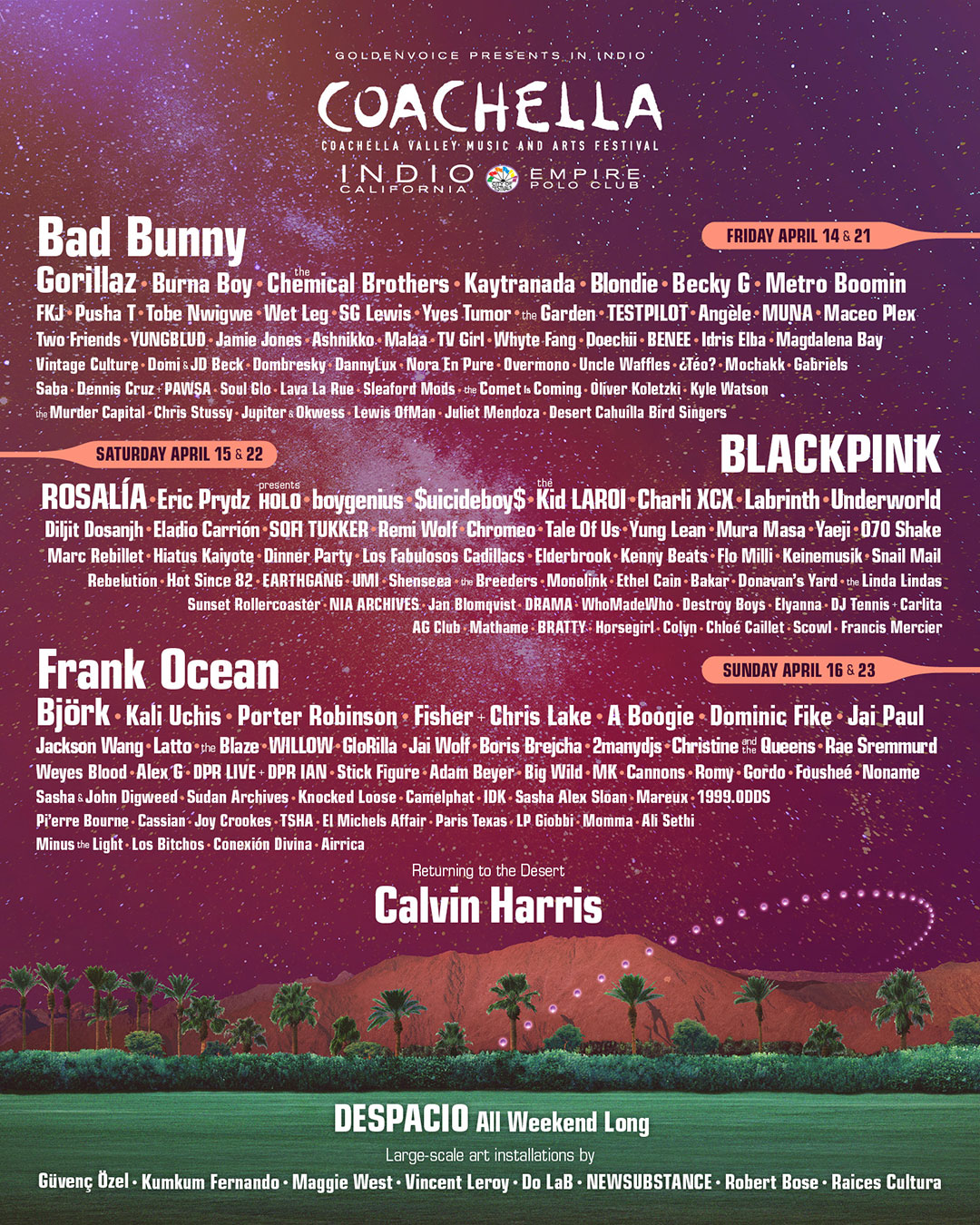
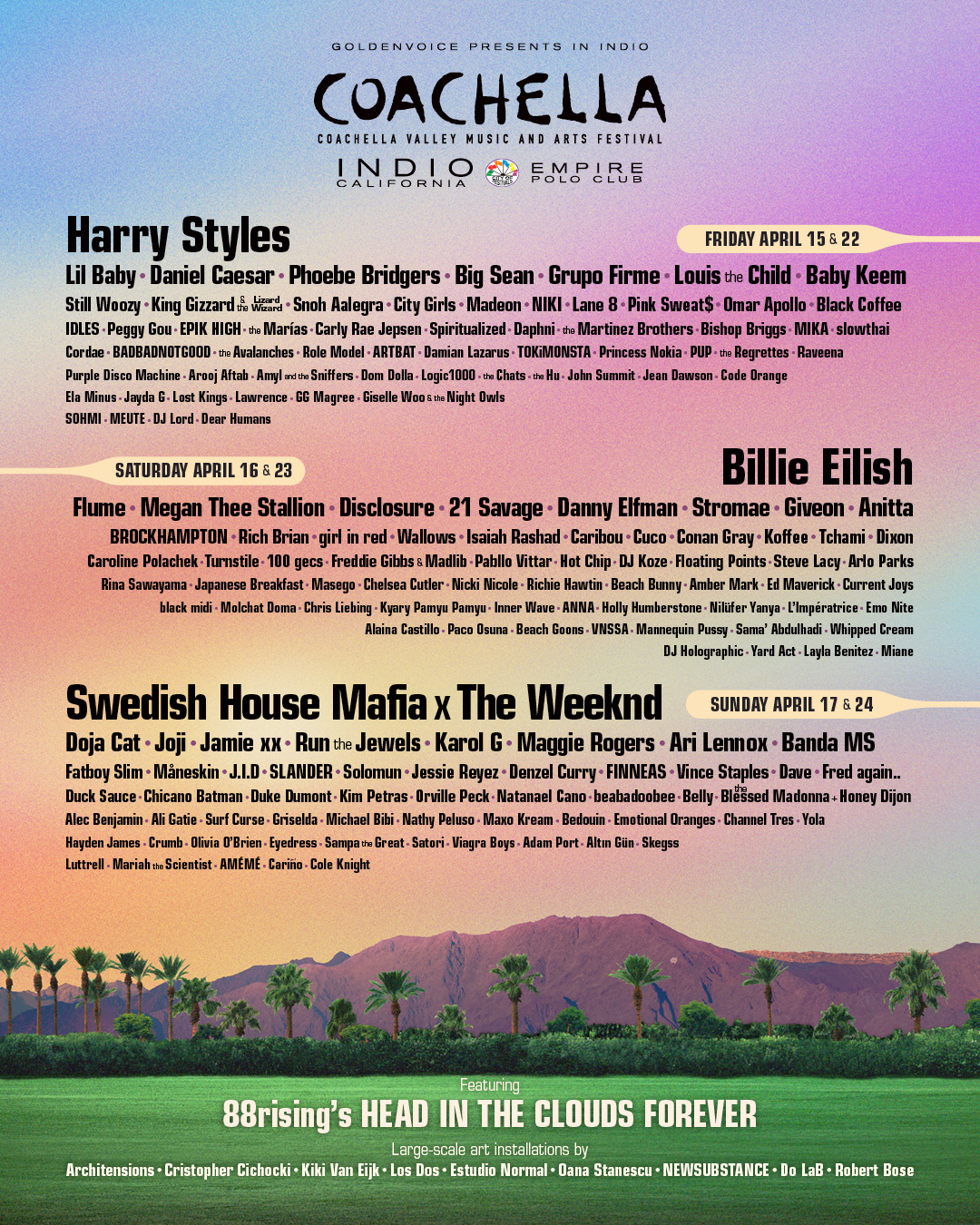
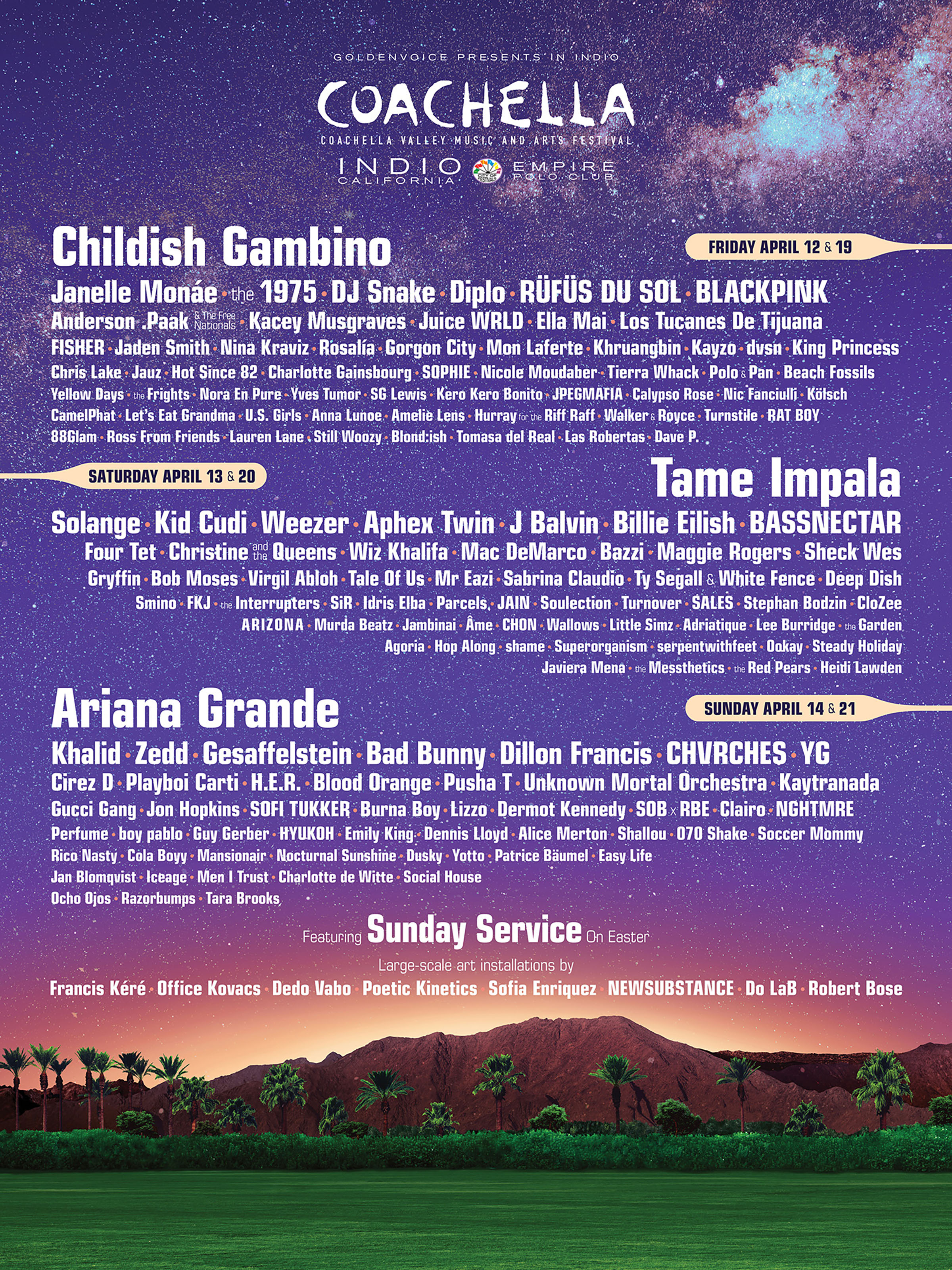
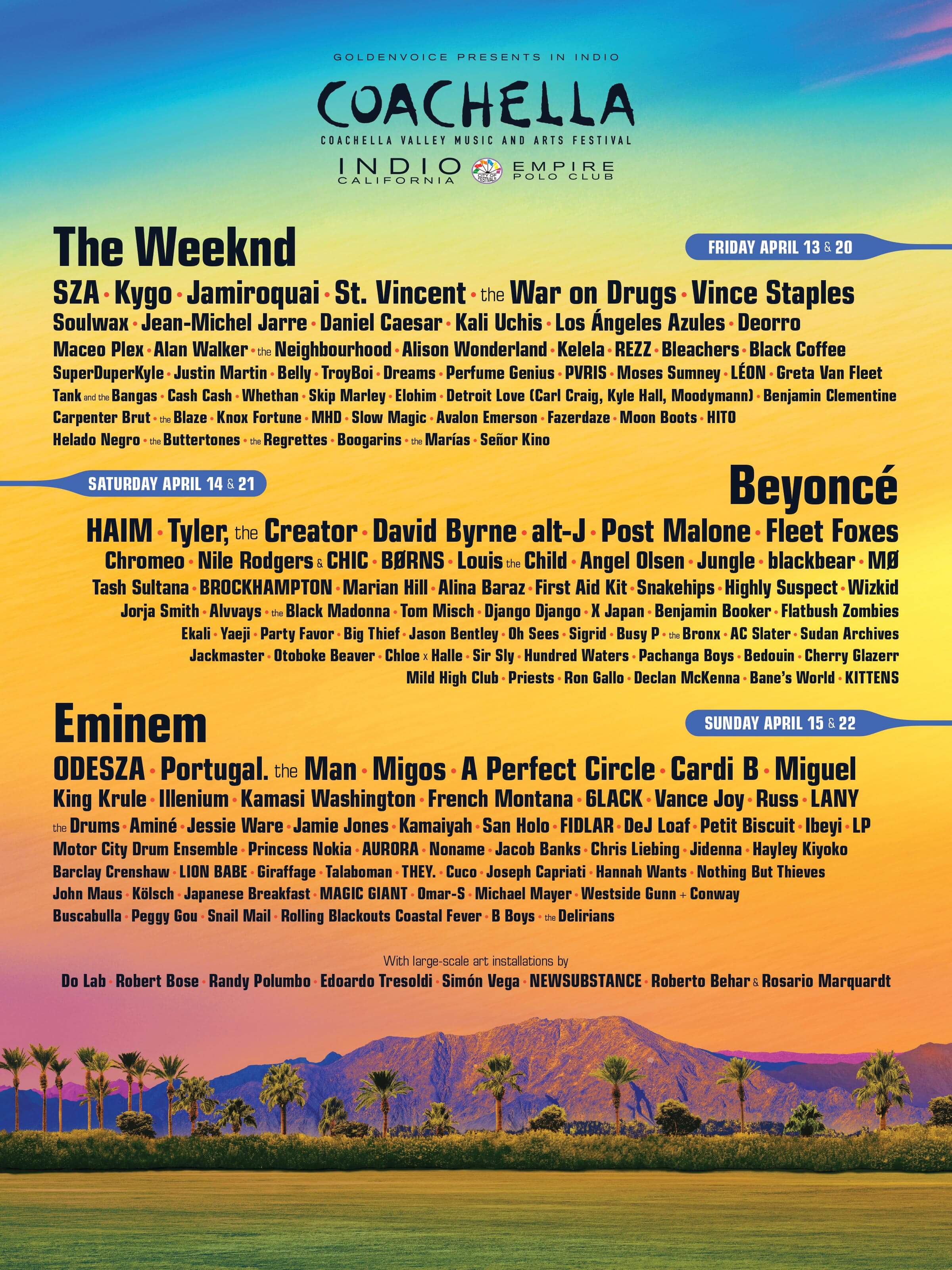
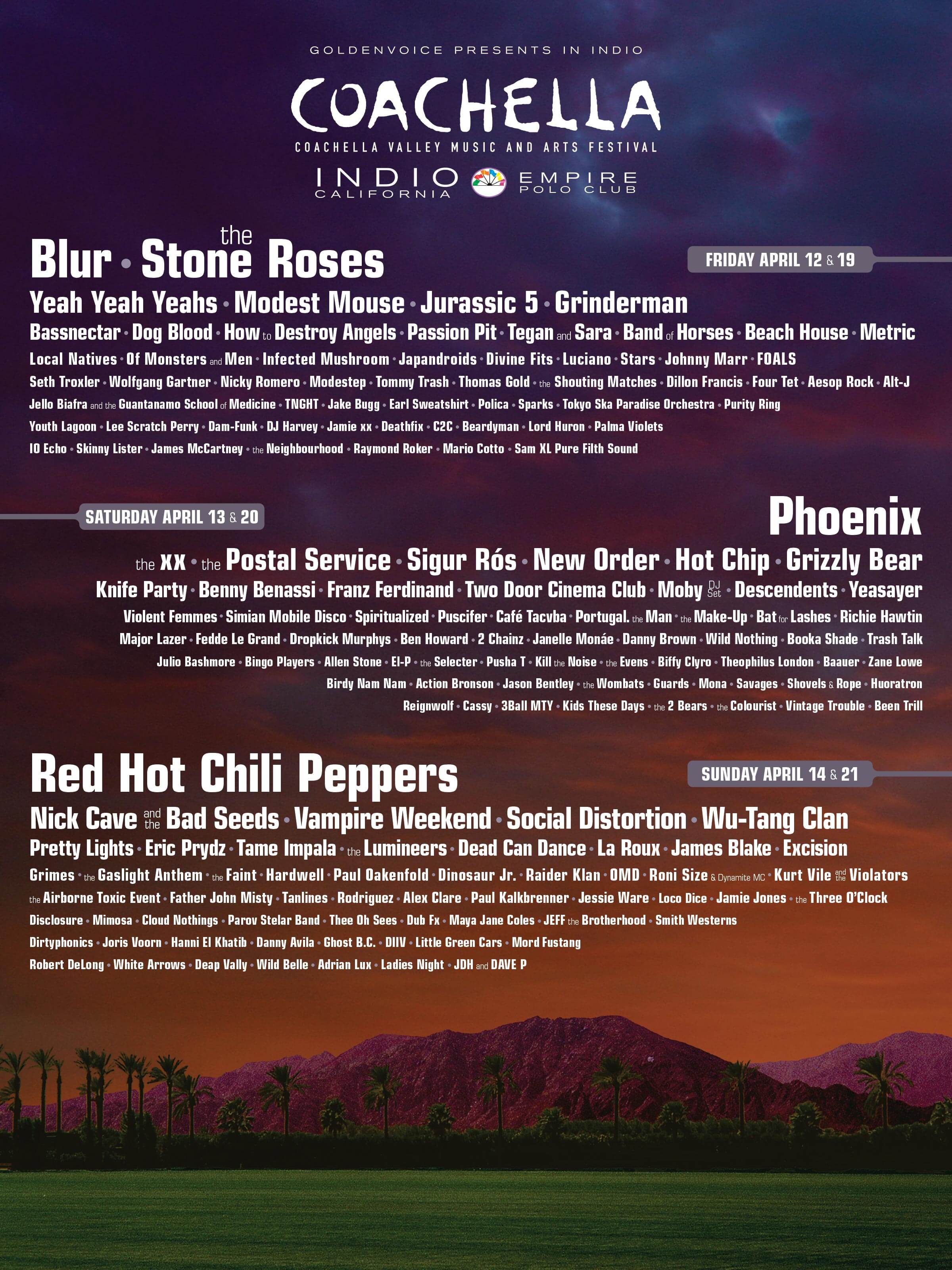
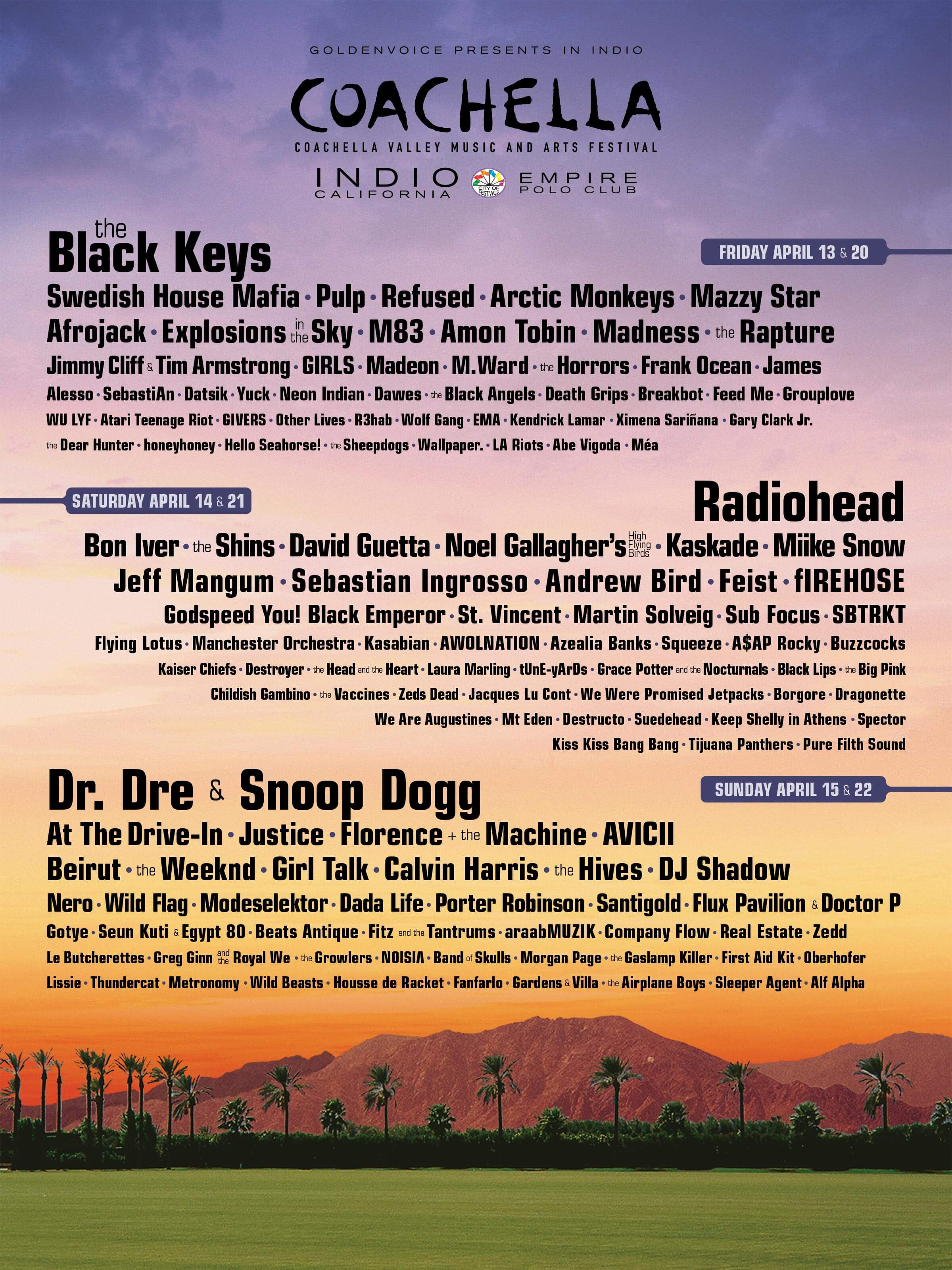
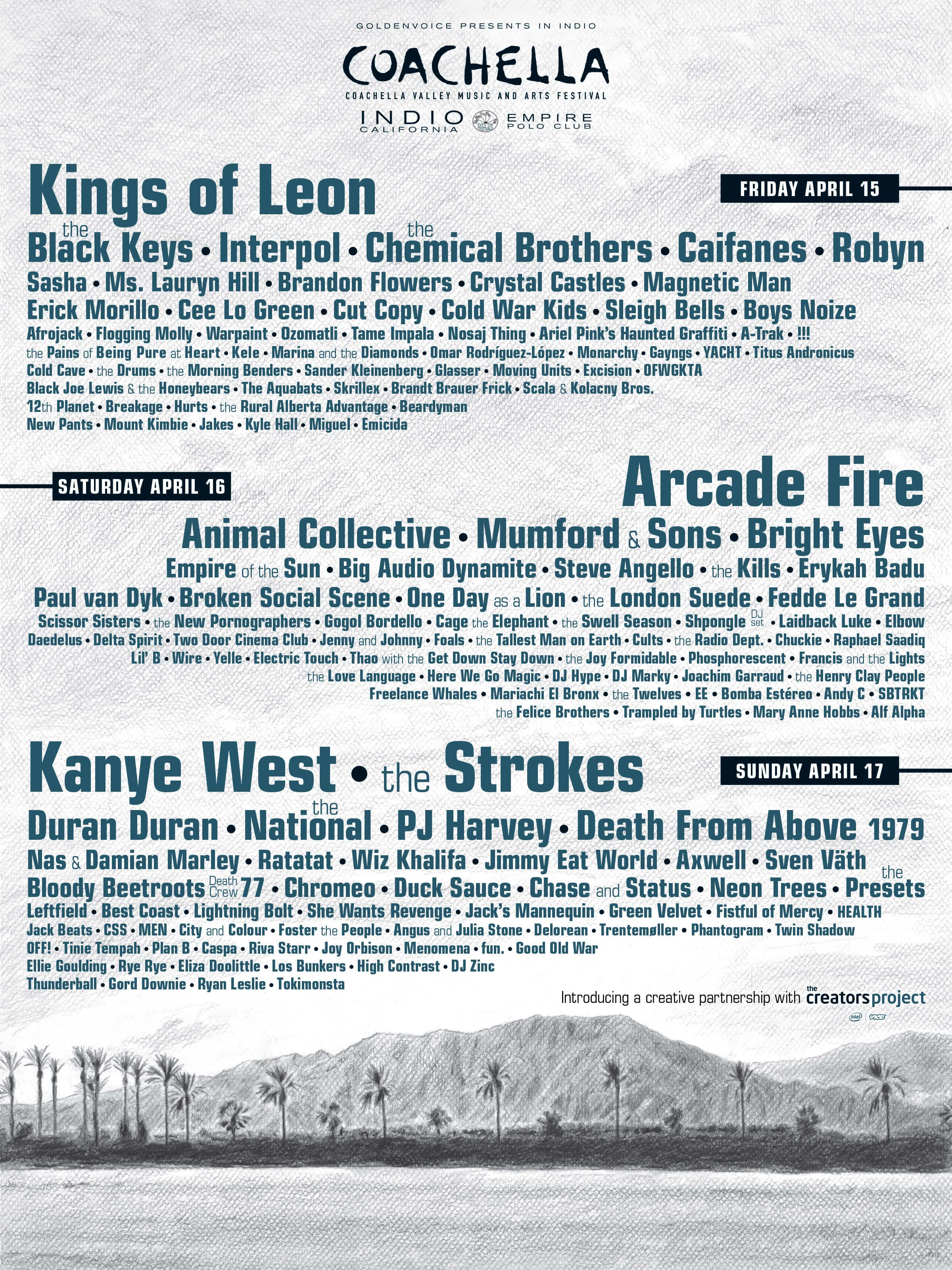
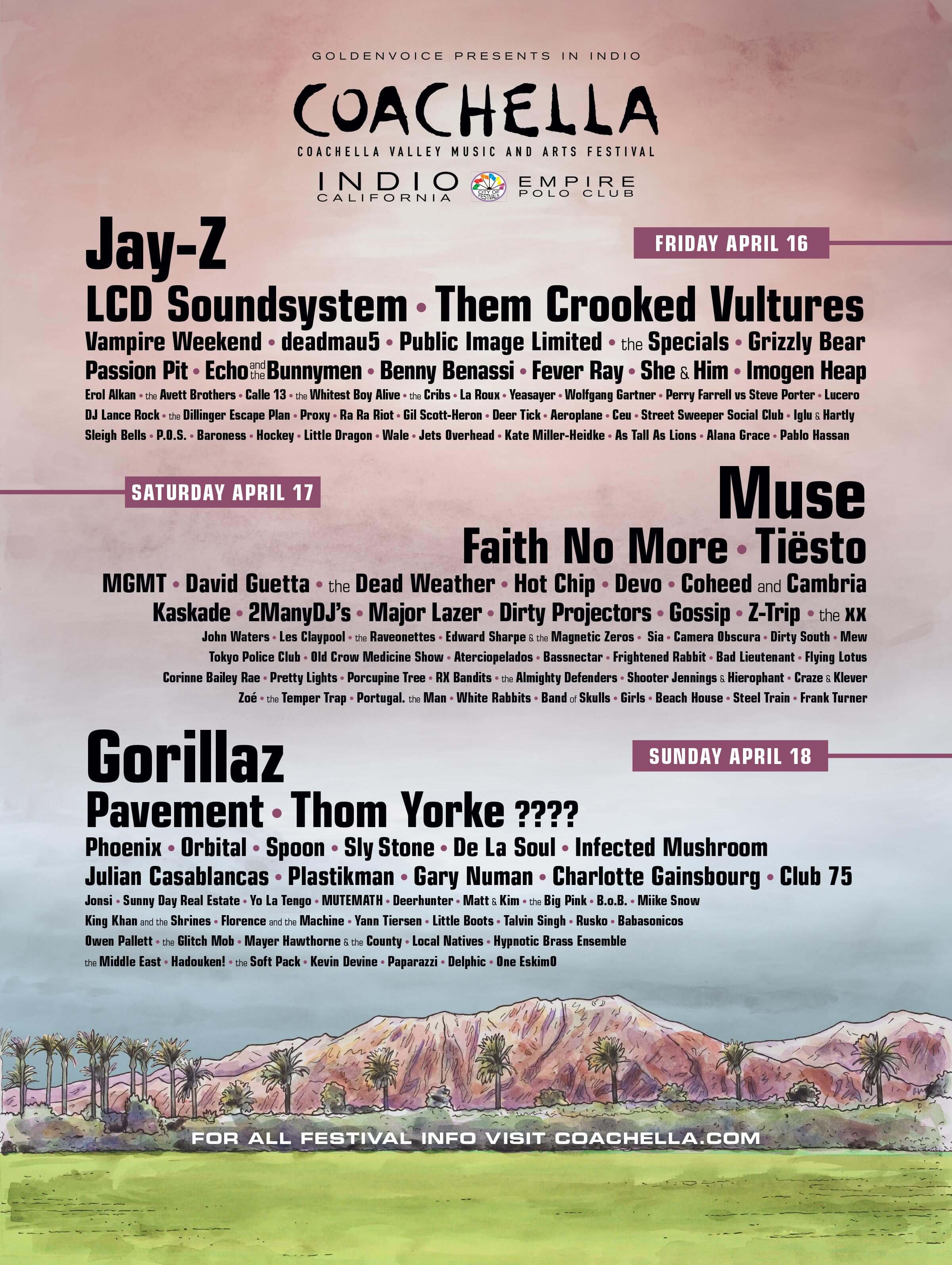
Each record would be curated from the artists who played that day. A soundtrack to that year’s festival, with the full lineup and artwork in the packaging to remember forever.
Last year more than 70% of UMG’s merchandise sales came from music products.
Kids aren’t only buying records to listen to them.
They’re buying artwork to hang on their walls, collectibles to cherish, and the liner notes and stories that dive deeper into the artists and albums they love.

Hoodie fatigue is real
Fans already have a closet full of sweatshirts. But they still want a souvenir. Something physical from the weekend, connected to the music and memories and worth keeping forever.
Vinyl records work as music, merchandise, artwork and memory, all at once.
Why Coachella
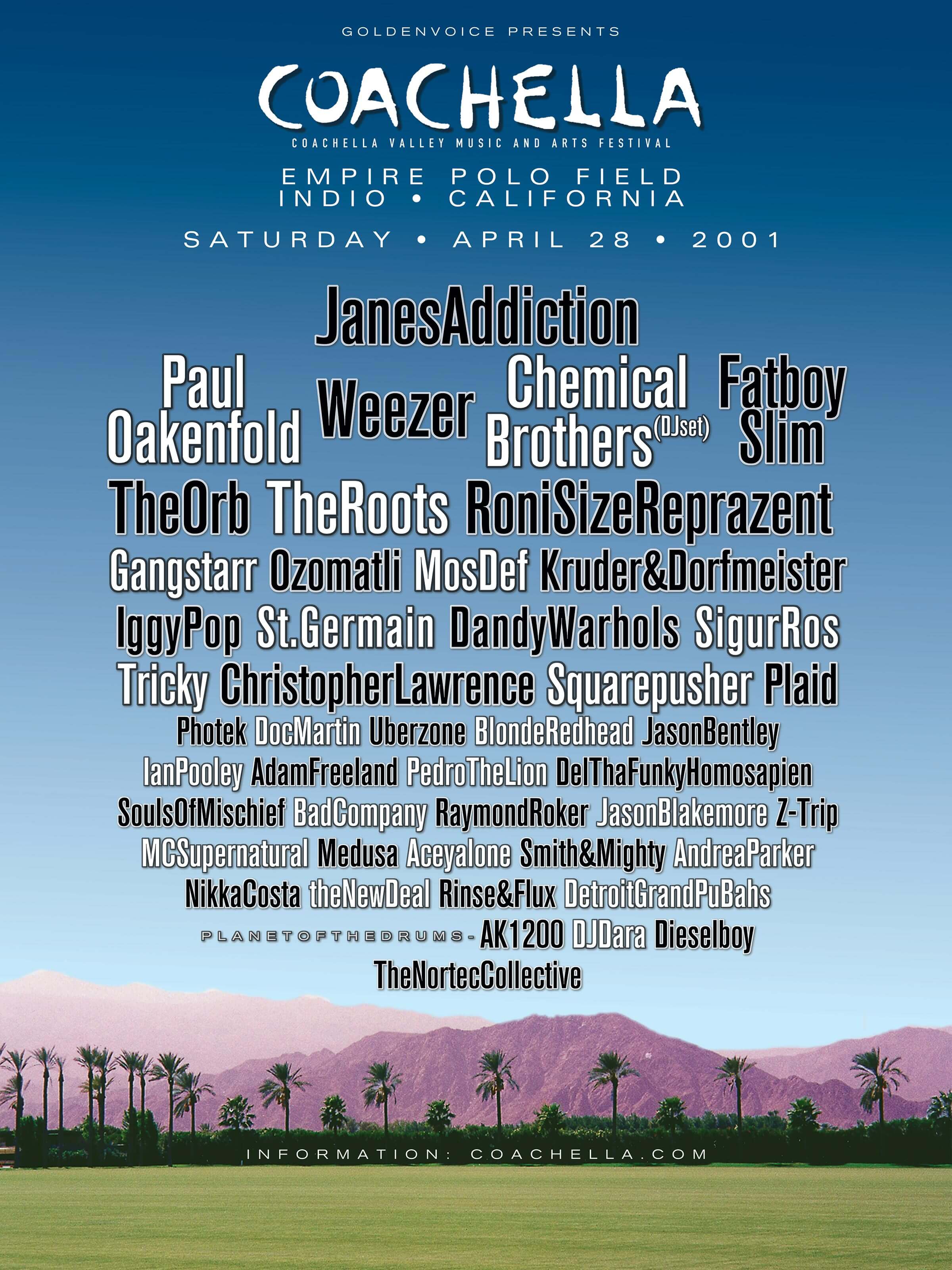
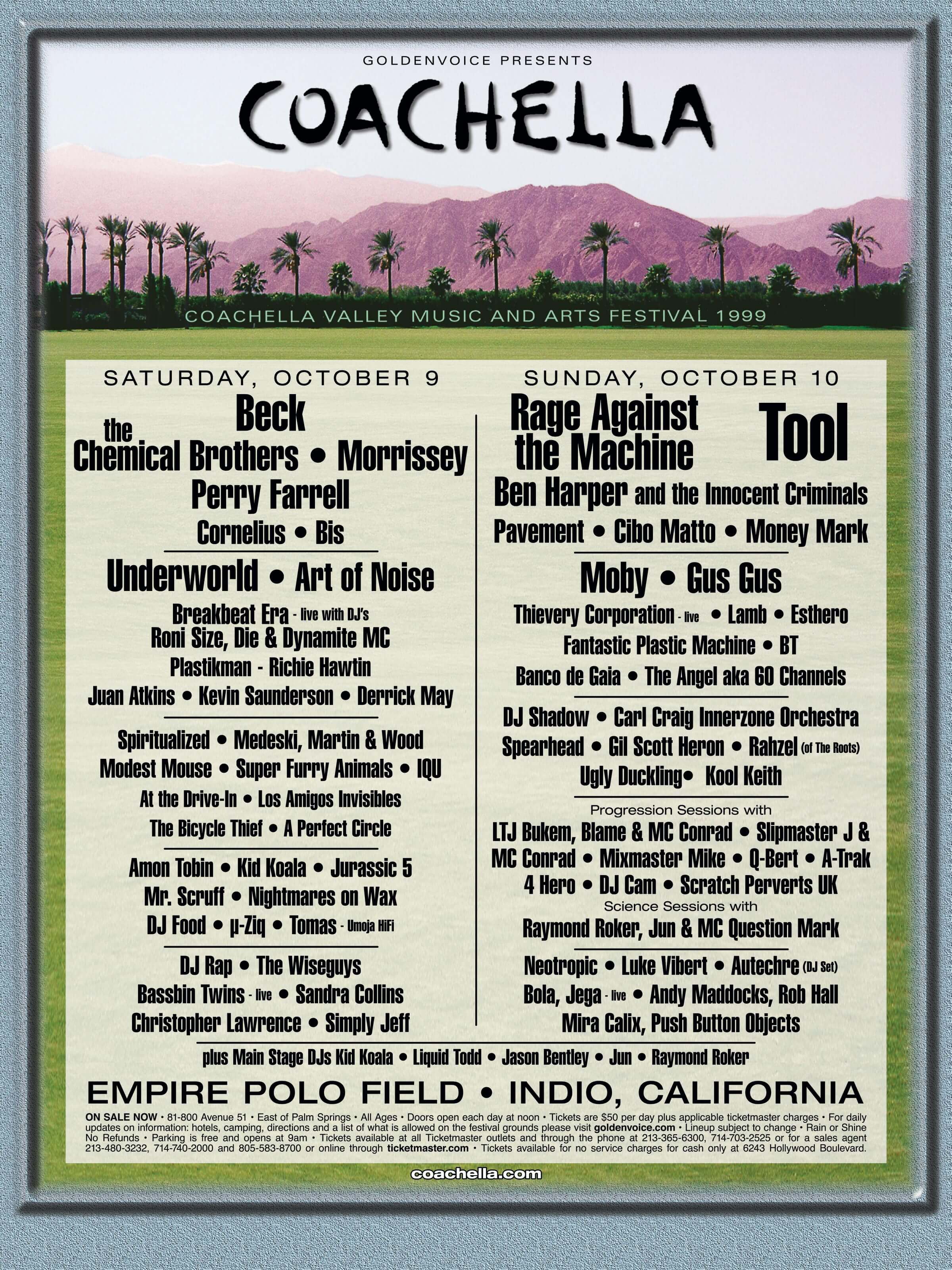
I remember the line at doors for the limited-edition prints from the poster shop in the 2000s. People would protect them all weekend and frame them when they got home. That’s always stuck with me as part of what makes Coachella special.
People speculate and study the lineup for months, save their wristbands and keep their posters long after the weekend.
Record Safari has made browsing and buying vinyl part of the on-site experience.
An official Coachella record collection feels like a natural next step.
Start with the archive
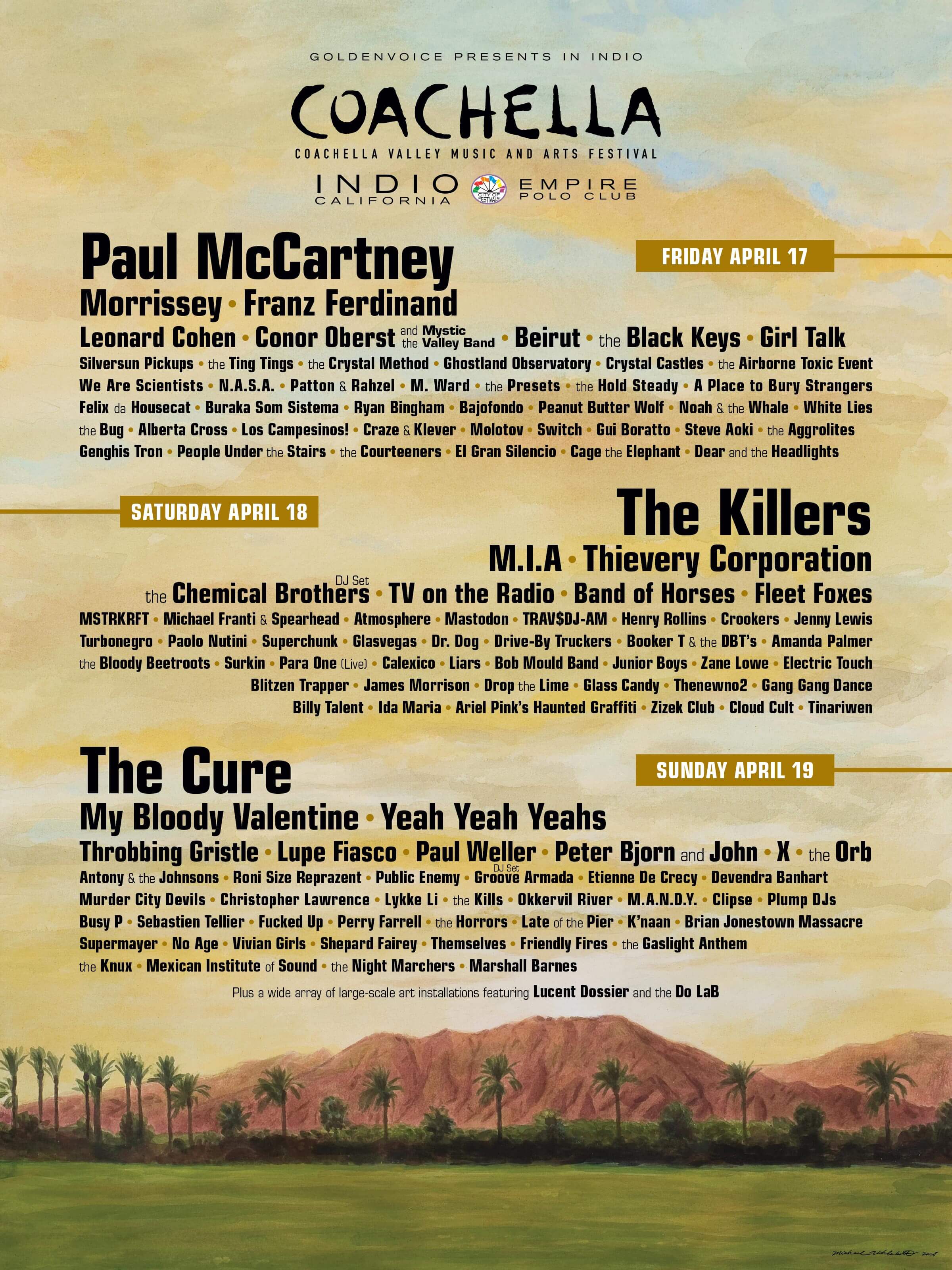
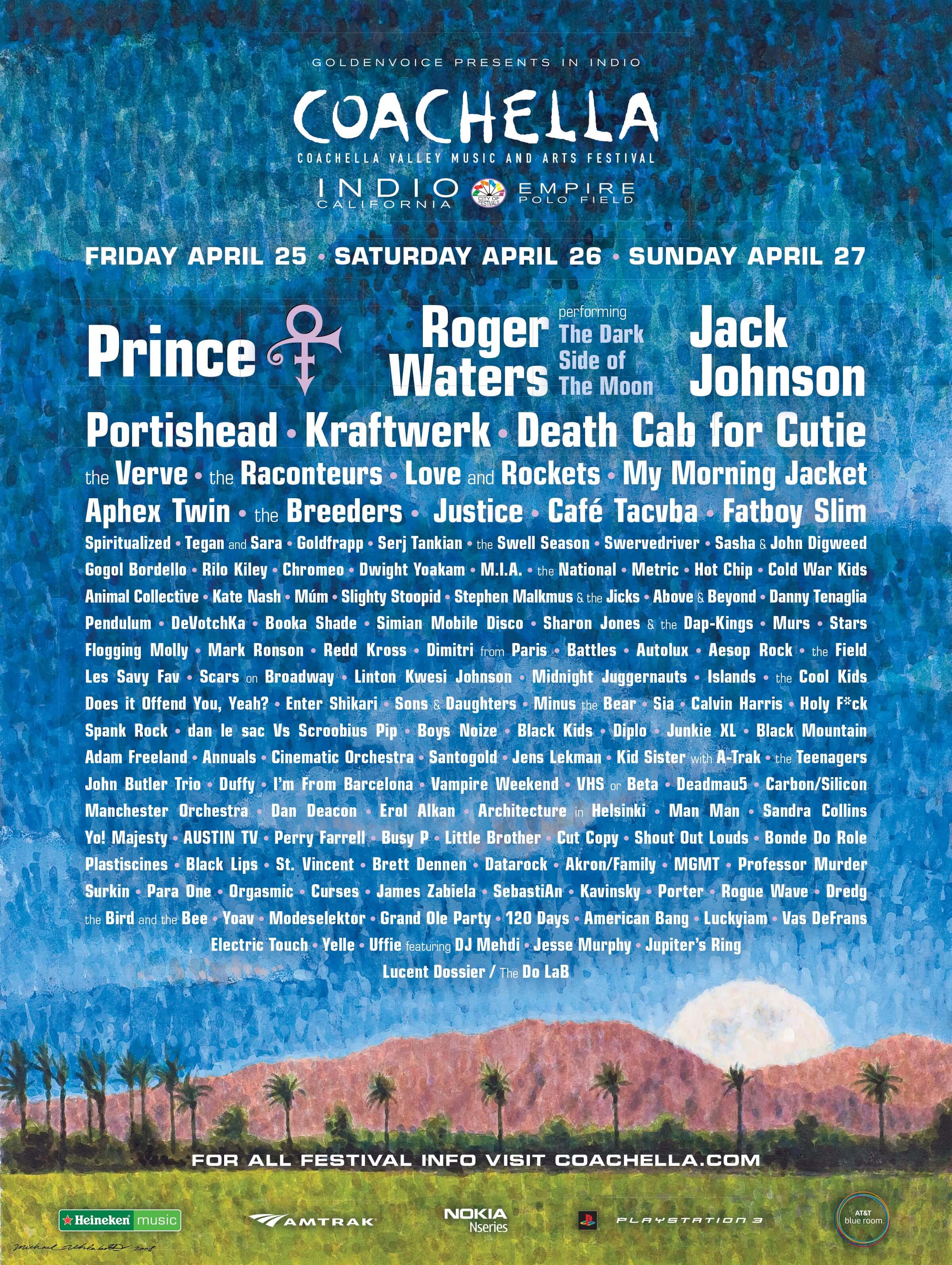
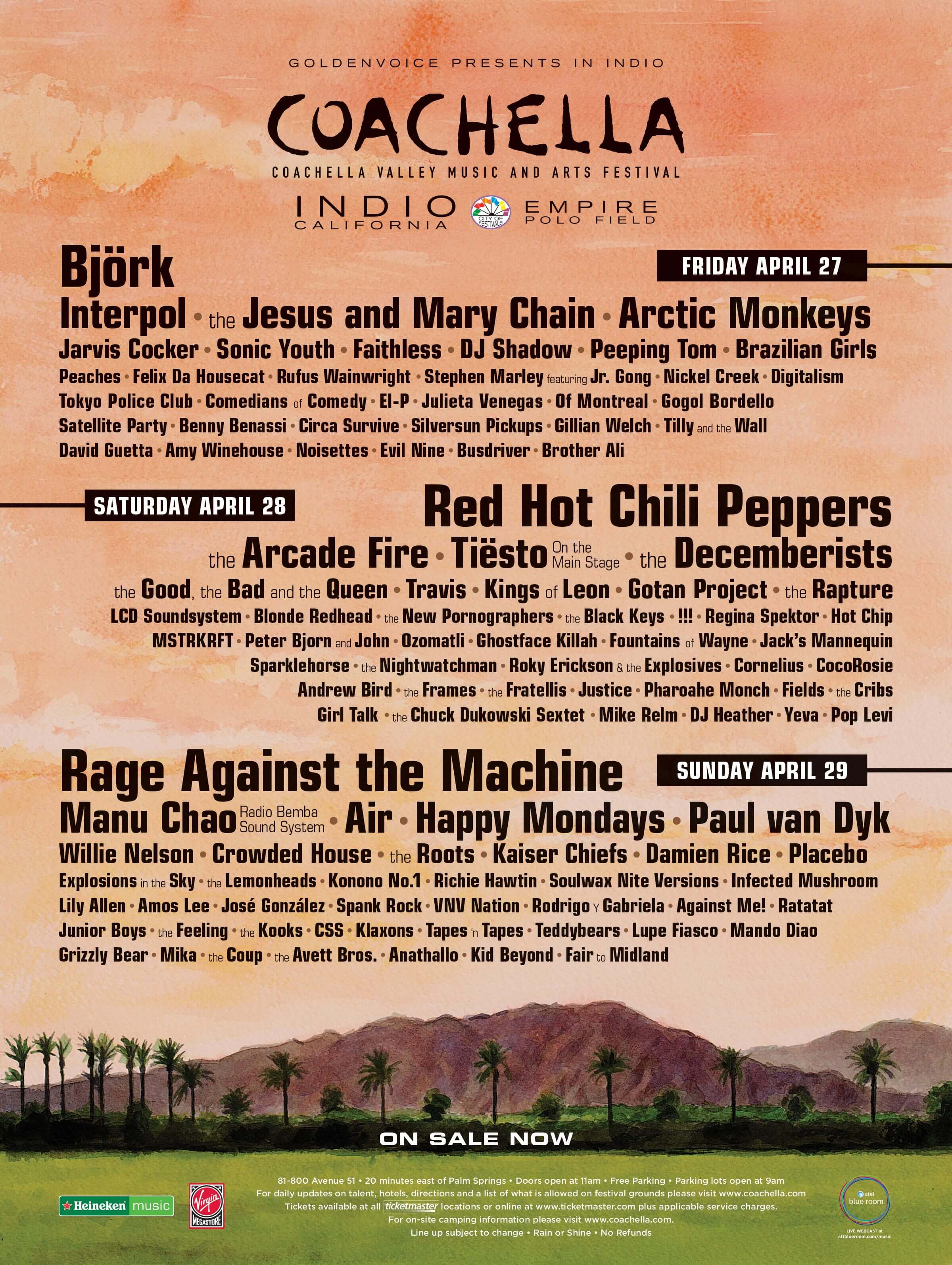
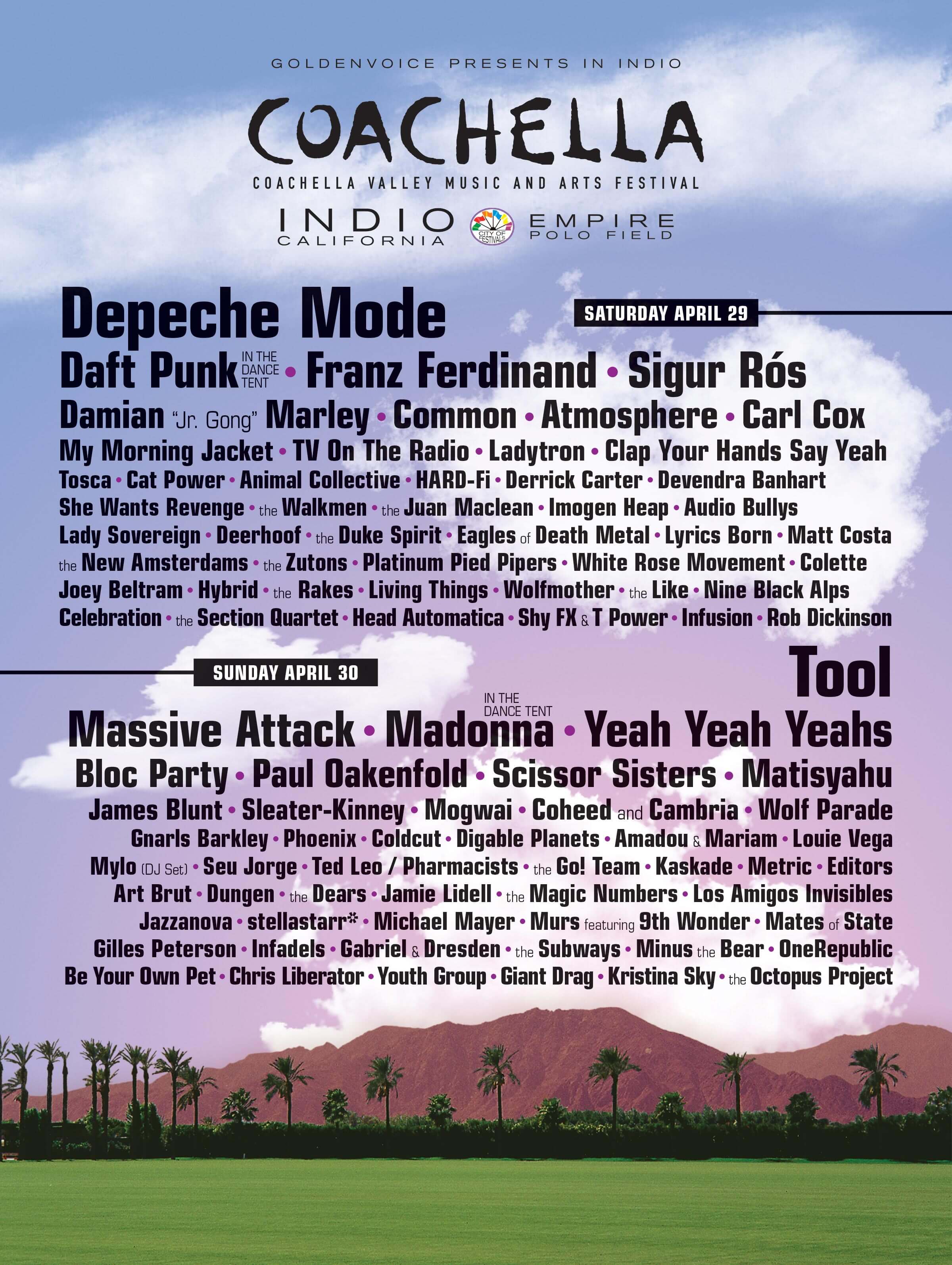
I’d launch with a collector’s box set of every Coachella year so far, housed in a specially made case.
The history of the festival in one collection. Then a new release each year to keep it growing.
Fans could collect the years they attended or buy the complete archive.
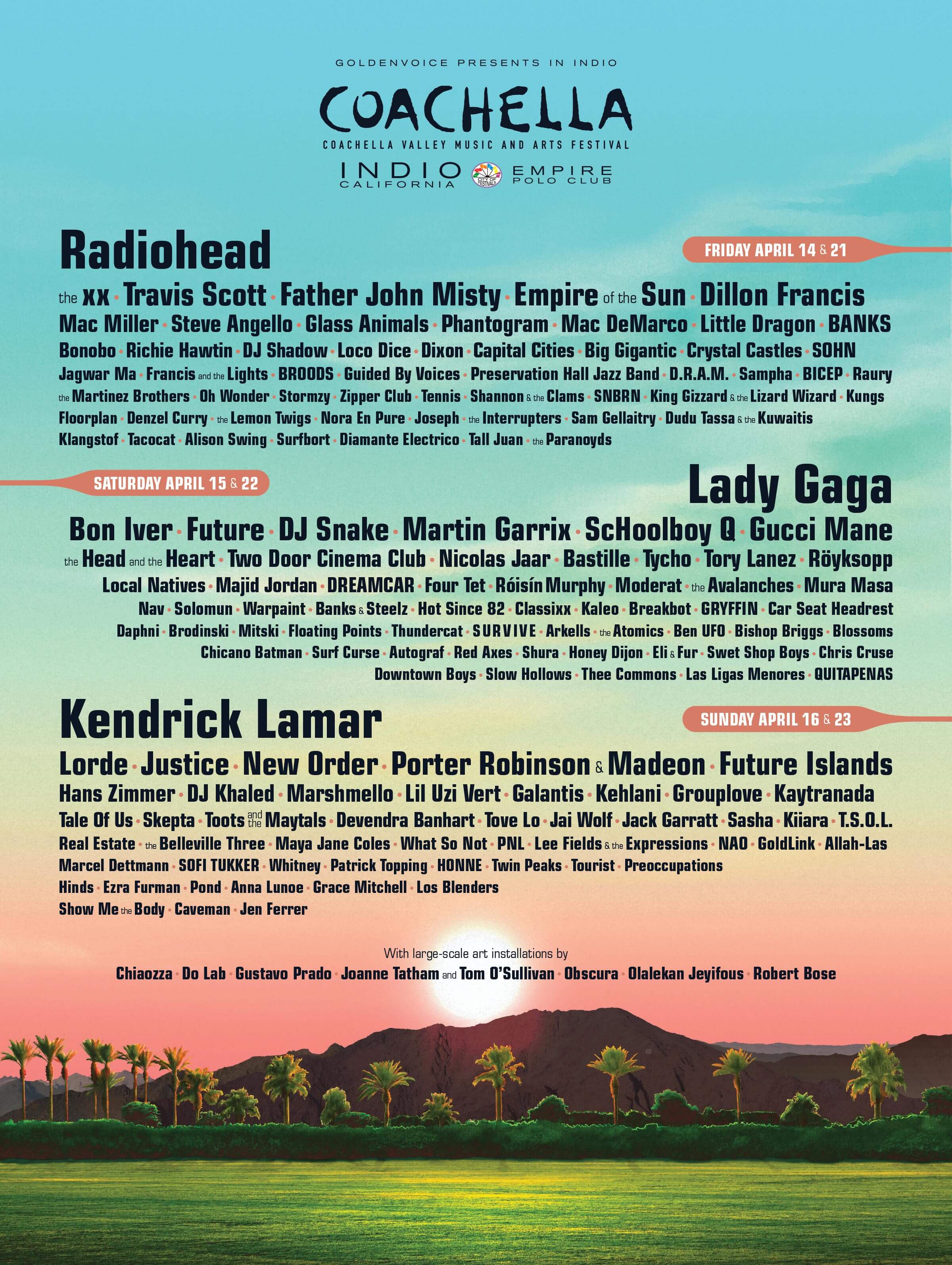
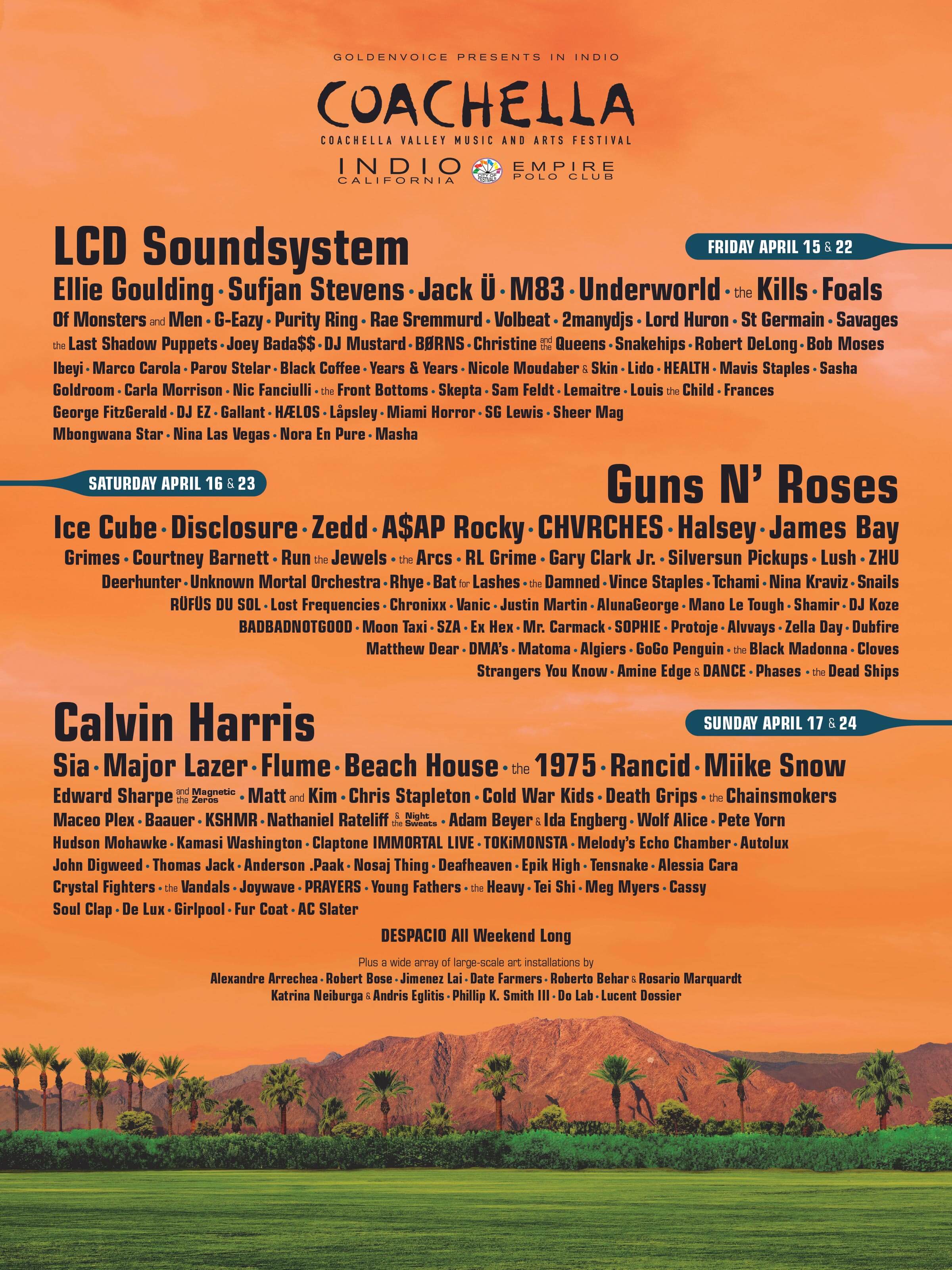
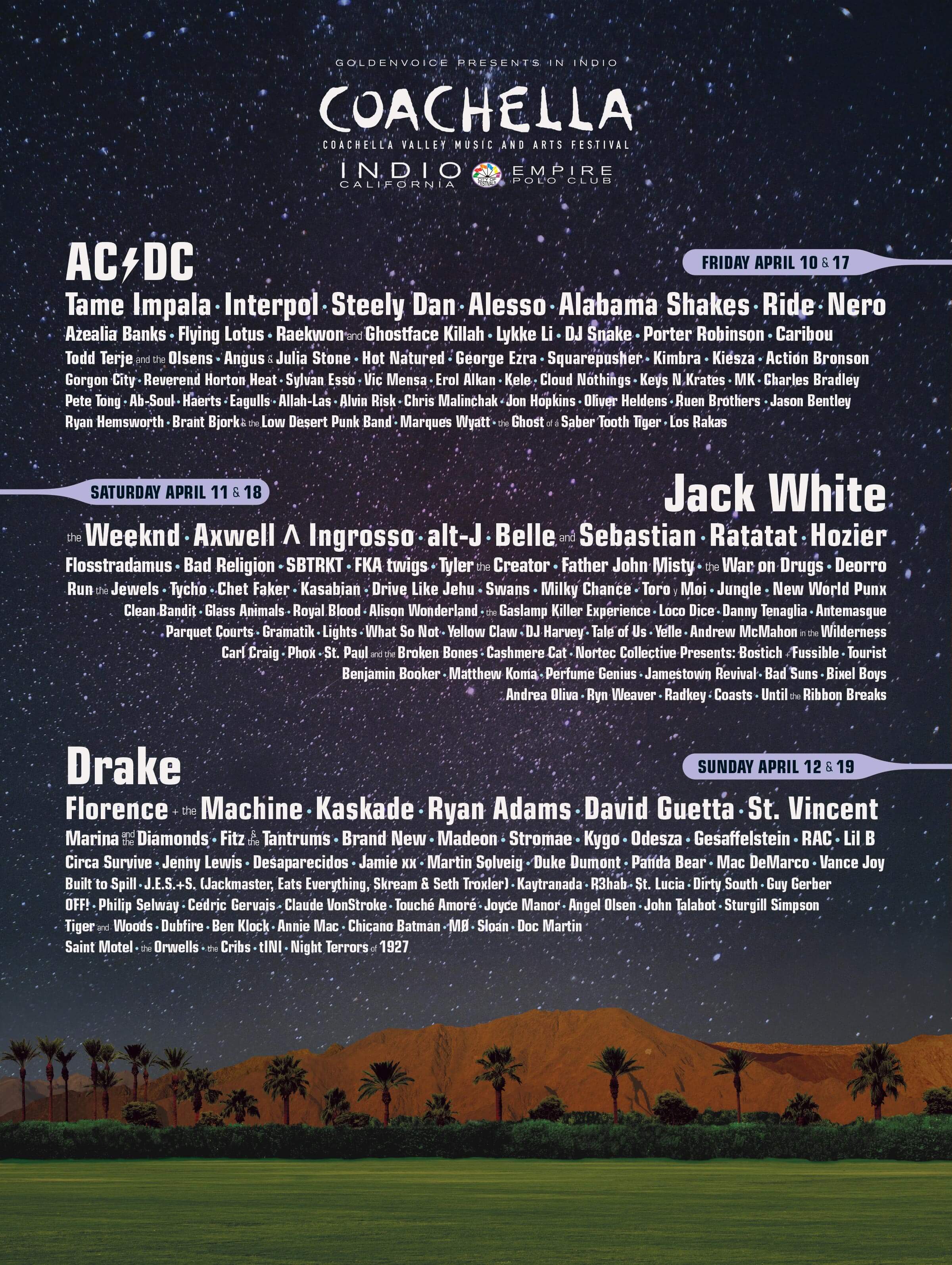
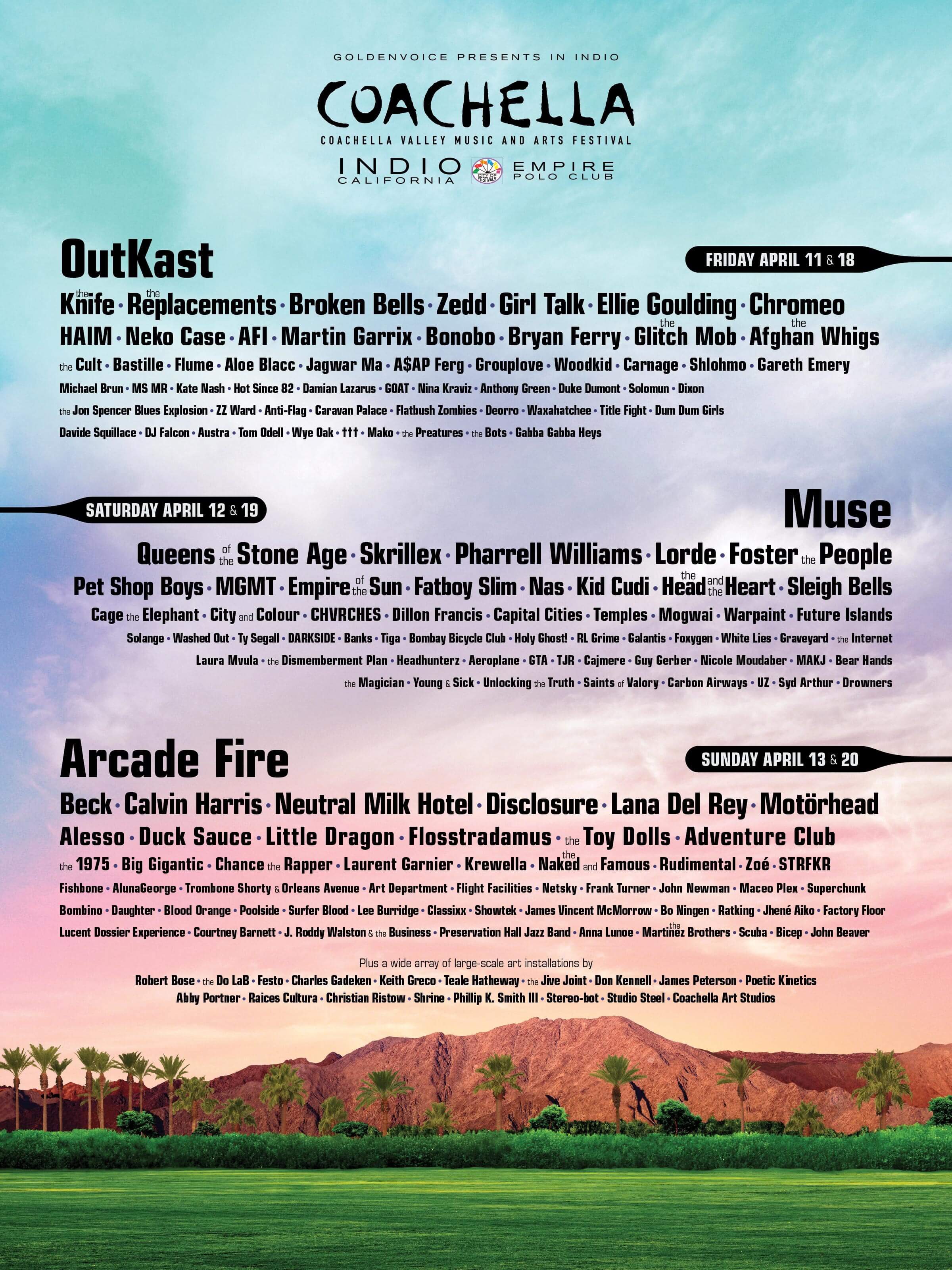
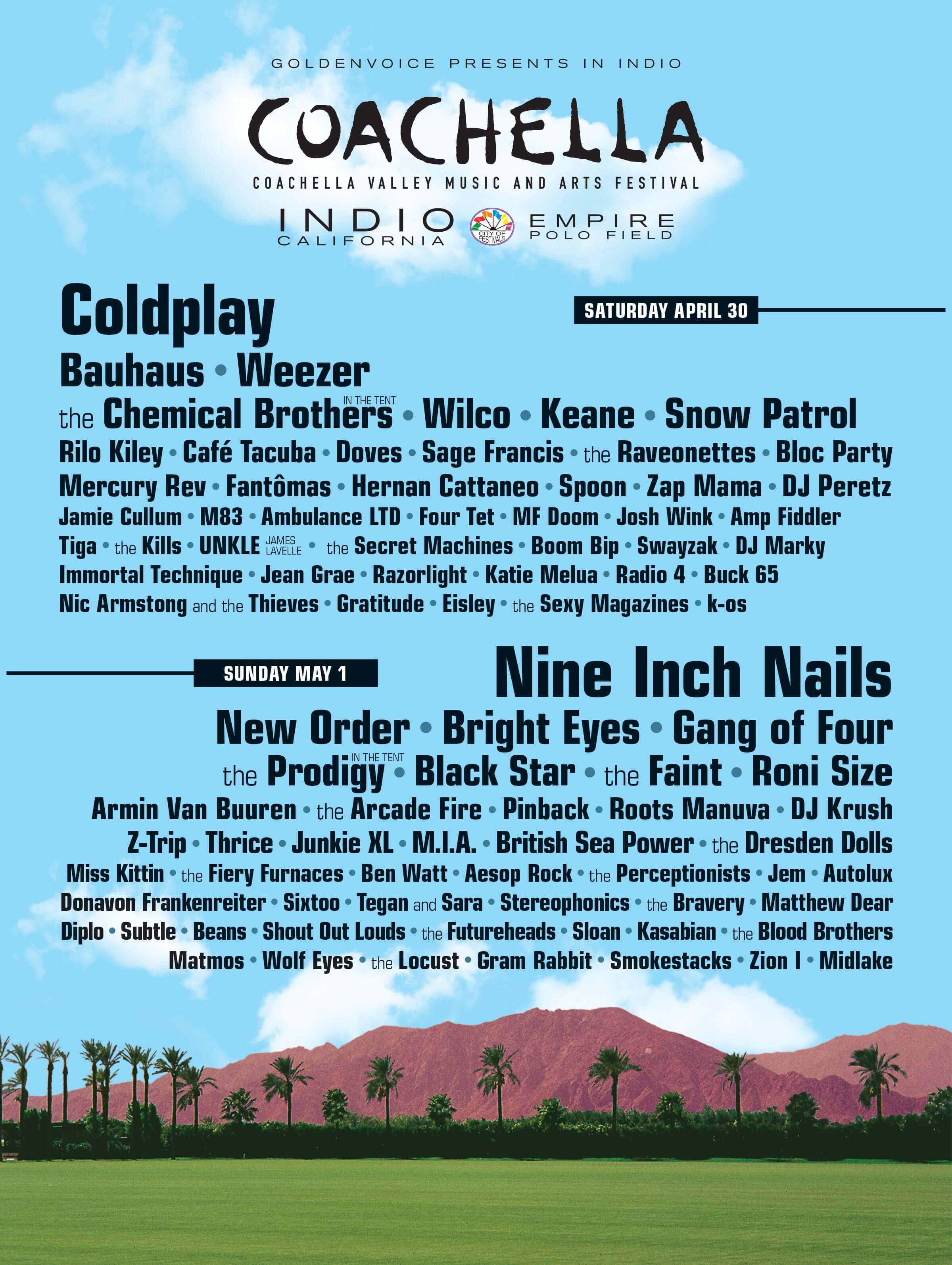
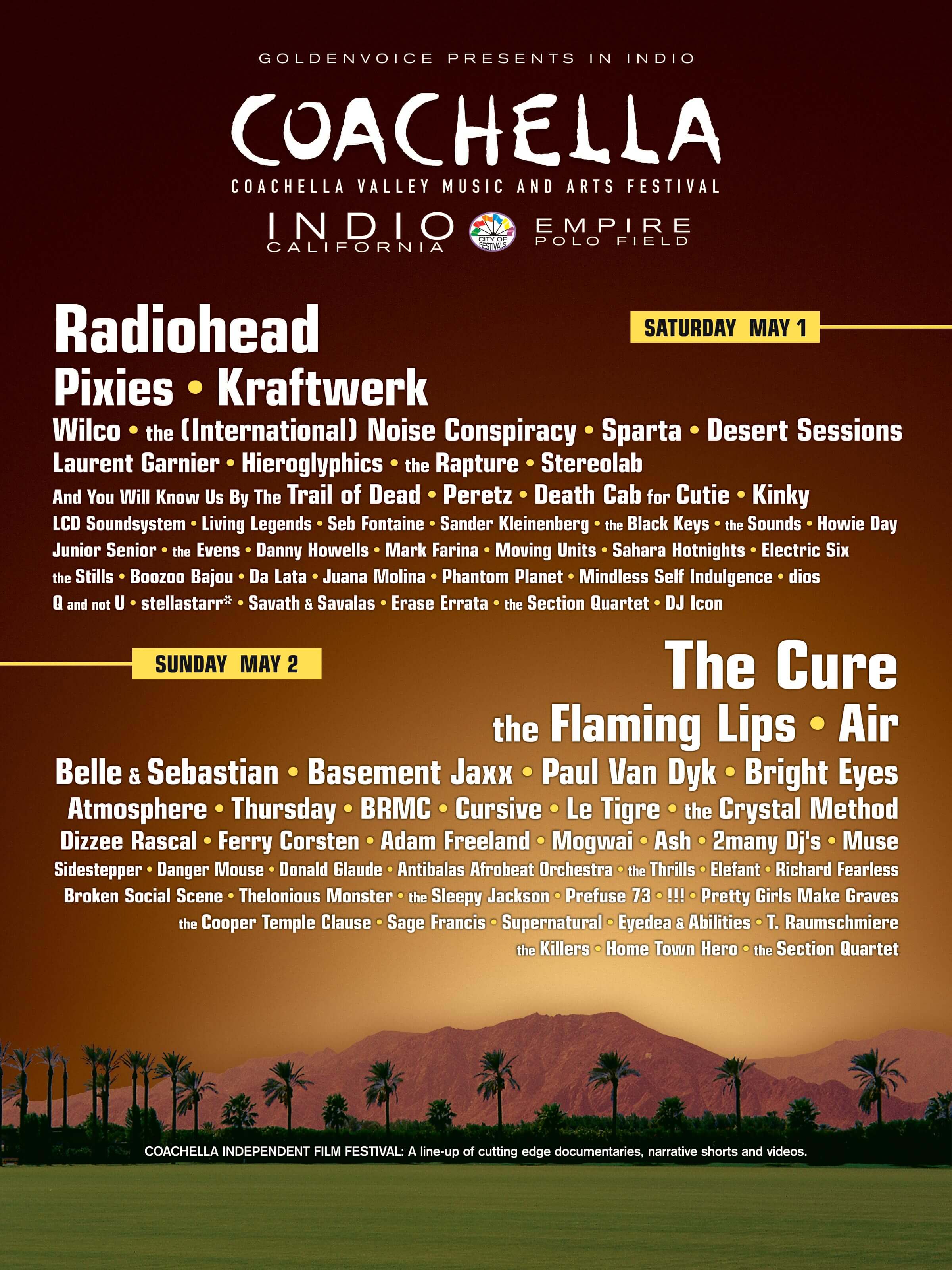
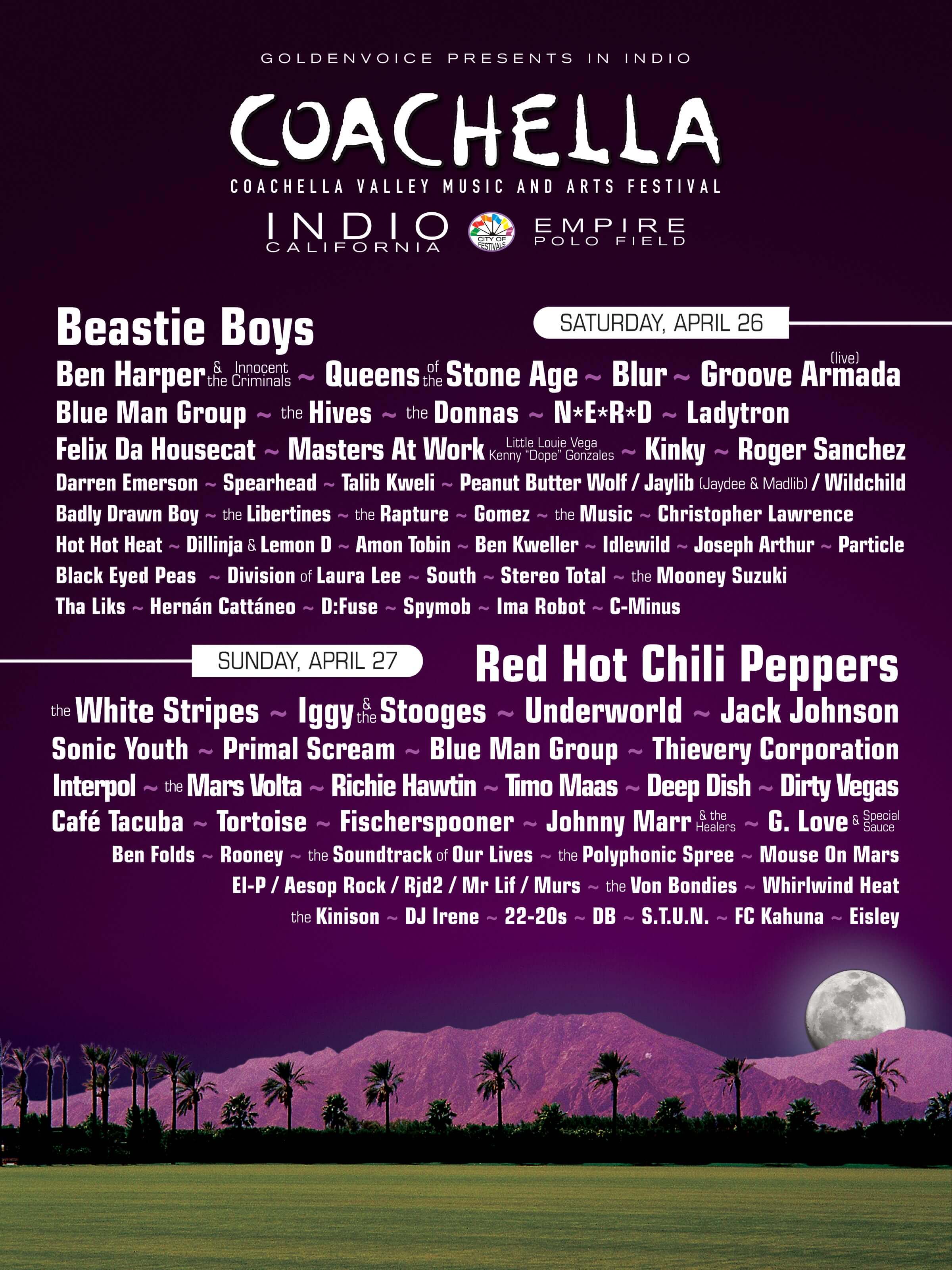
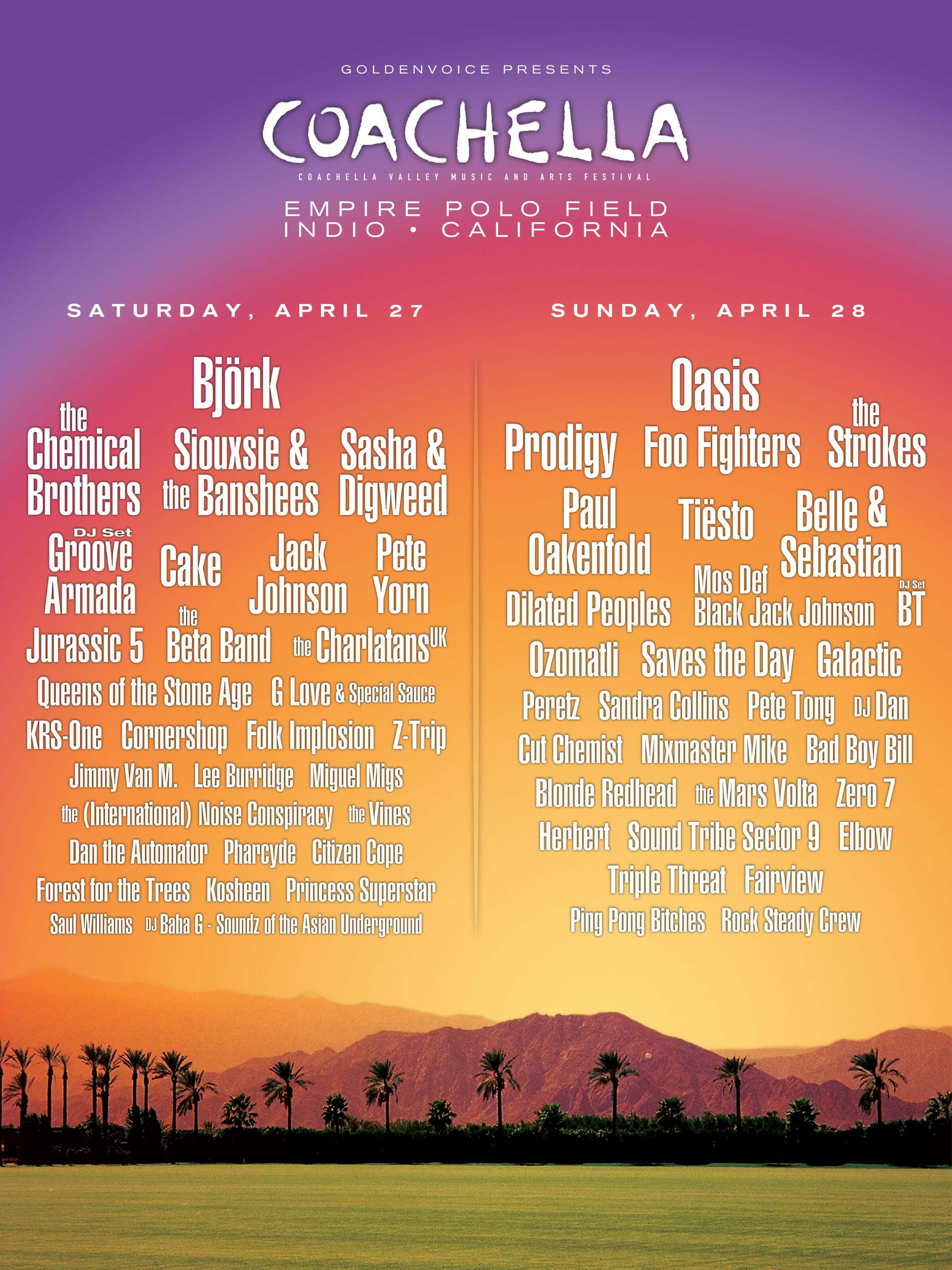

The Annual Release
The tracklist wouldn’t need to include every artist. It would be curated to capture the sound and feeling of that specific year.
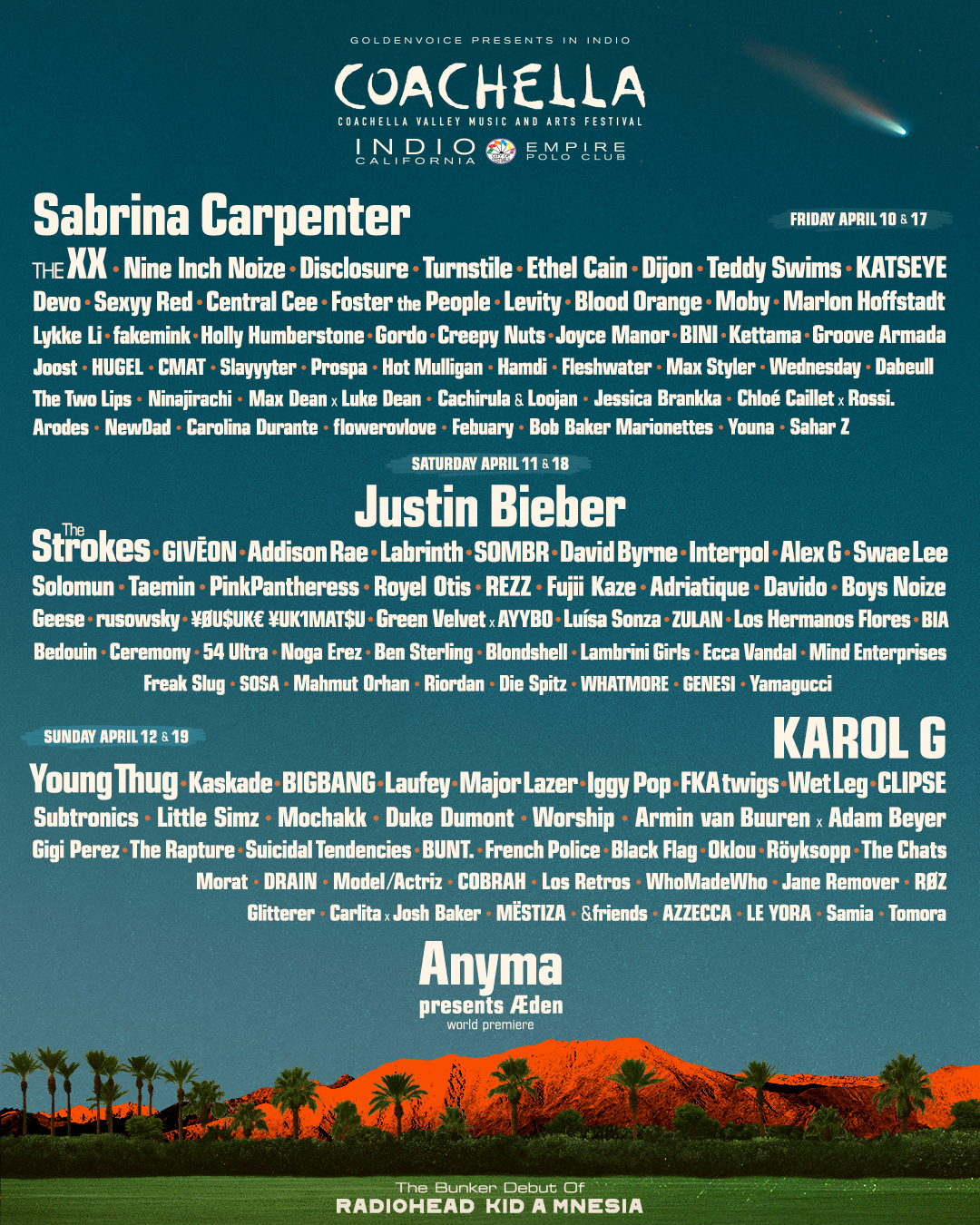
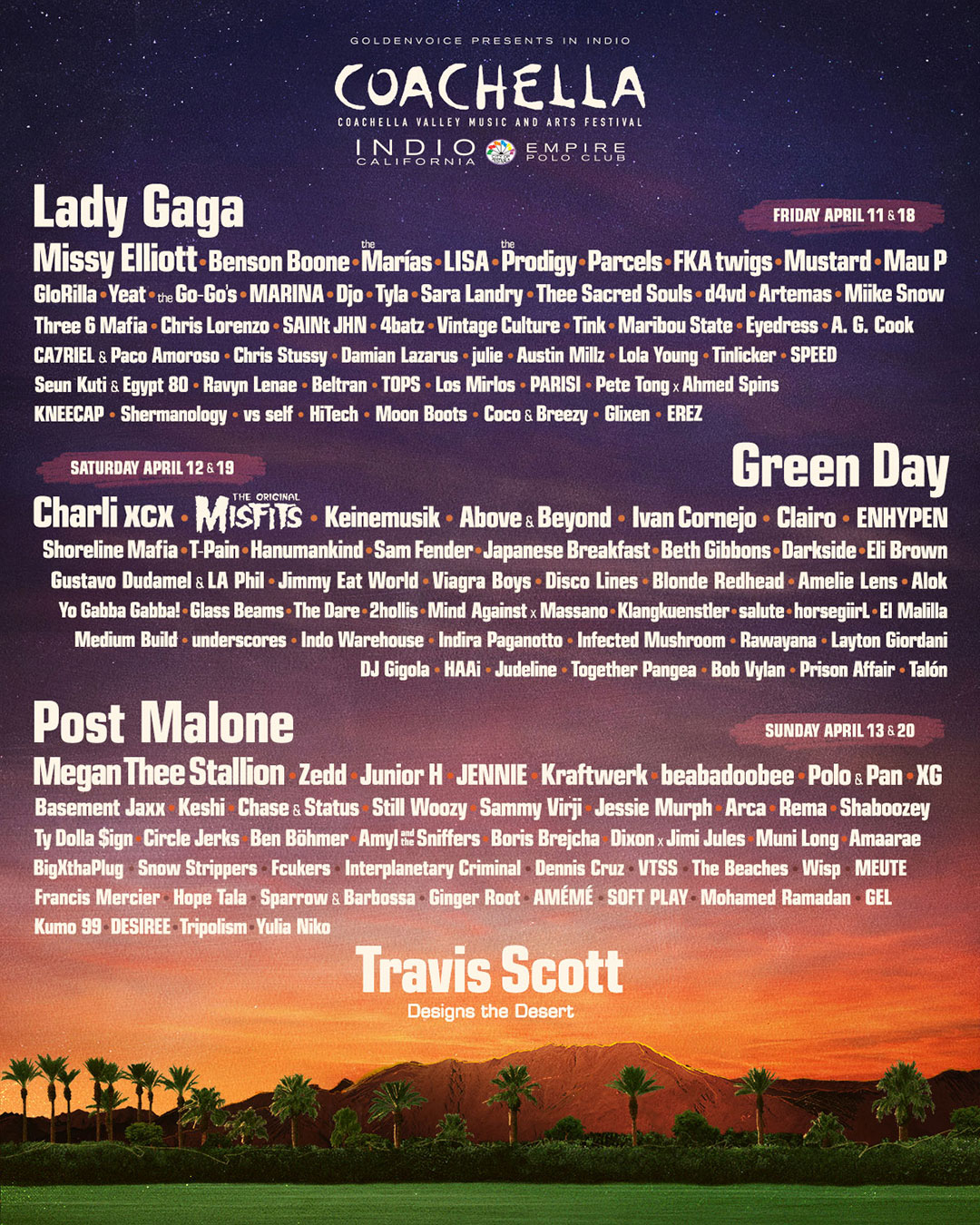
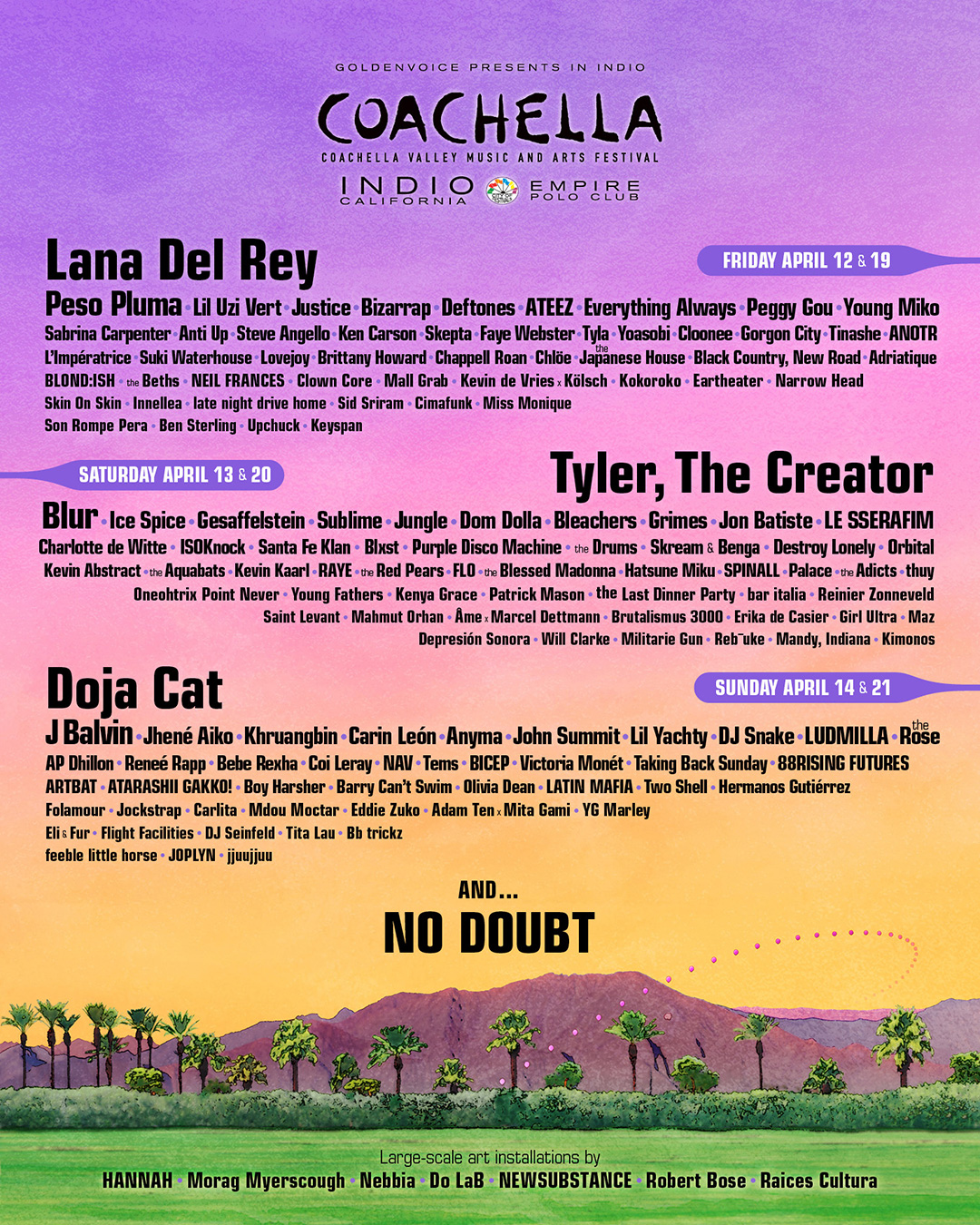
The packaging would carry the full lineup poster, festival photography, artwork, credits, liner notes and inserts.
The format stays consistent. The music, artwork and material details change each year.
The packaging should feel as considered and collectible as the records themselves.
A piece of the Polo Fields
The collector’s case should have a real connection to the grounds.
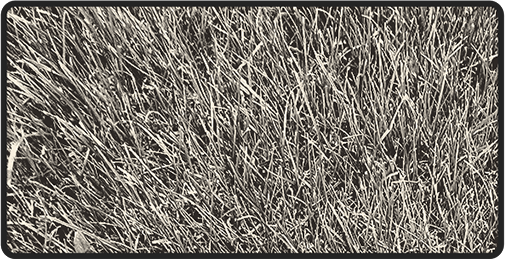
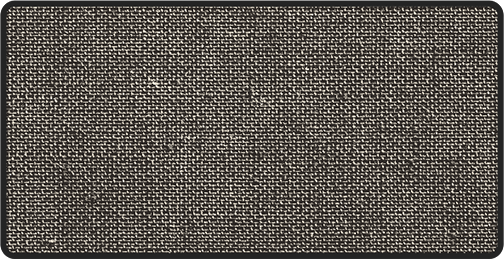
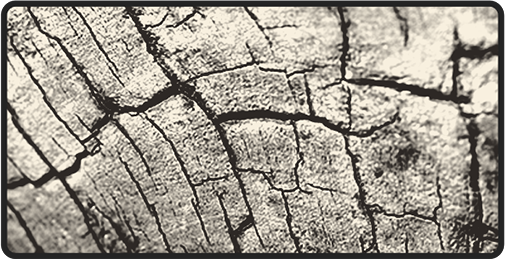
Explore reclaimed wood from the site, paper made with date palms or grass fibres, and woven details that reference the wristbands.
Use responsibly sourced paper and keep plastic to a minimum throughout the packaging.
Materials connected to the grounds where people spent the weekend, built into something they can keep at home.




How it gets made
Built like a soundtrack or compilation, with a specialist partner handling music clearances, approvals and royalties.
The tracklist takes shape around available rights, budget and timing.
Creative direction
Approvals + royalties
Artwork + packaging
+ online
to take home forever
Editions
After the archive, the annual vinyl becomes part of each year’s festival.
Alternate covers by Emek or artists whose work appears on the grounds. Numbered collector’s editions and Record Safari exclusives.
A way for that year’s art to live beyond the weekend.

Preview the annual release at Record Safari and open pre-orders during the festival.
After Weekend 2, reveal limited-edition alternate covers using photography from both weekends, with the finished records delivered after production.

Something to keep forever
A physical record and time capsule of the festival, holding onto the music, memories and feeling of that year.