the mission
Don’t Be Precious is about using the life you have while you have it.
After surviving cancer and later meningitis, Harry stopped waiting for perfect conditions. His work comes from real life: the people around him, the places he goes and the moments that stay with him.
But so much of that world never makes it beyond the moment it was captured. The unposted photos, footage between takes, friends in the room, travel and conversations that give the music its meaning.
We want to build a creative system that gives all of it somewhere to live, change and become something new. Not technology that generates art, but technology that helps Harry do more with the real material already around him.
A new way for technology to genuinely support artists, culture and the lives behind the work.
who we are
Harry Hudson
Harry Hudson is a recording artist, songwriter, cancer survivor and founder of Hey, I’m Here For You.
His work has always been connected to the people, places and experiences around him. Music, friendship, recovery, philanthropy and real life all naturally move through the same world.
Harry has built a life and audience around honesty. He brings people into the process, not just the finished product.
His world is full of musicians, artists, actors, designers, photographers and filmmakers. That gives the project a constant stream of real moments, relationships and different perspectives to build from.
Max Angles
Max Angles is Harry’s creative director and a Los Angeles-based artist working across music, merchandise, branding, live experiences and creative technology.
His work sits between culture and systems. He has built creative worlds for artists and platforms including 5 Seconds of Summer, Louis Tomlinson, Coachella, Stagecoach and Goldenvoice.
For Don’t Be Precious, Max is building the visual world alongside the album, directing what gets captured and creating custom systems that allow the same material to keep changing across artwork, film, social content and live visuals.
He codes and builds the tools behind the work, including custom Photoshop scripts, mobile apps and modular design systems that take real photography and video and place them into designed systems with thousands of possible outcomes.
the creative system
real life first
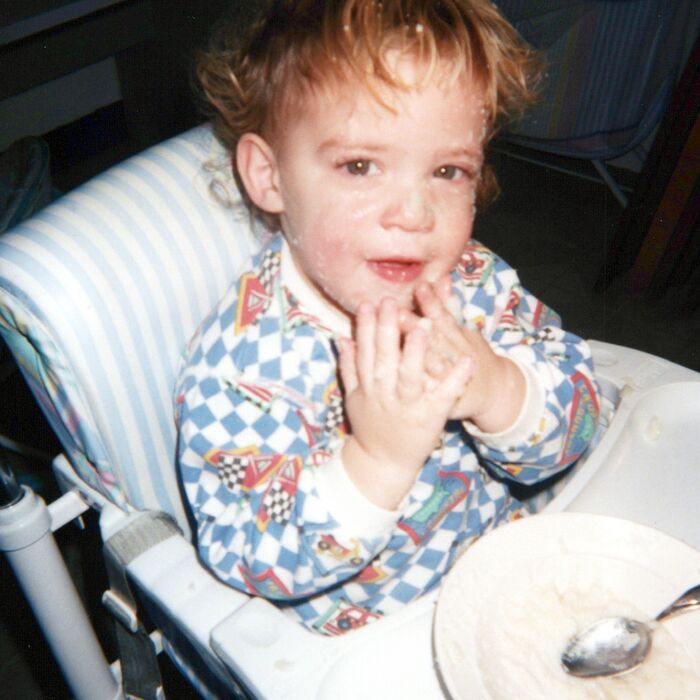
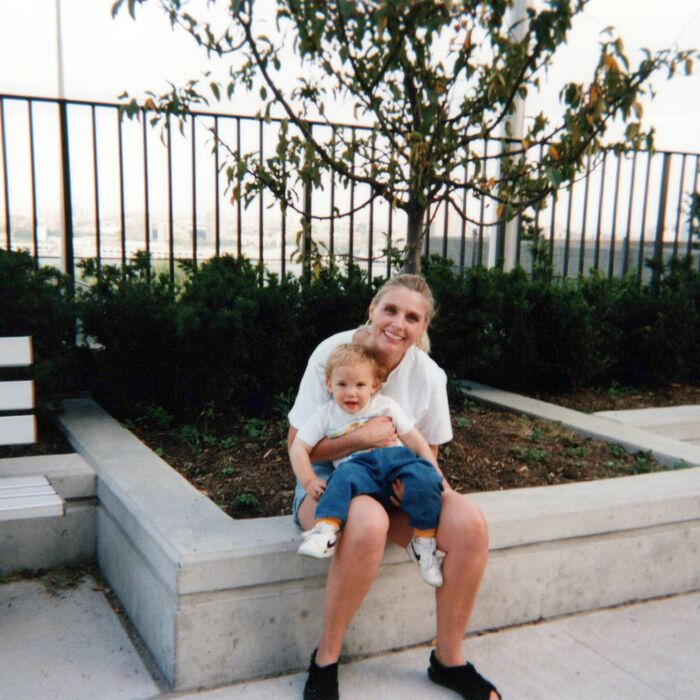
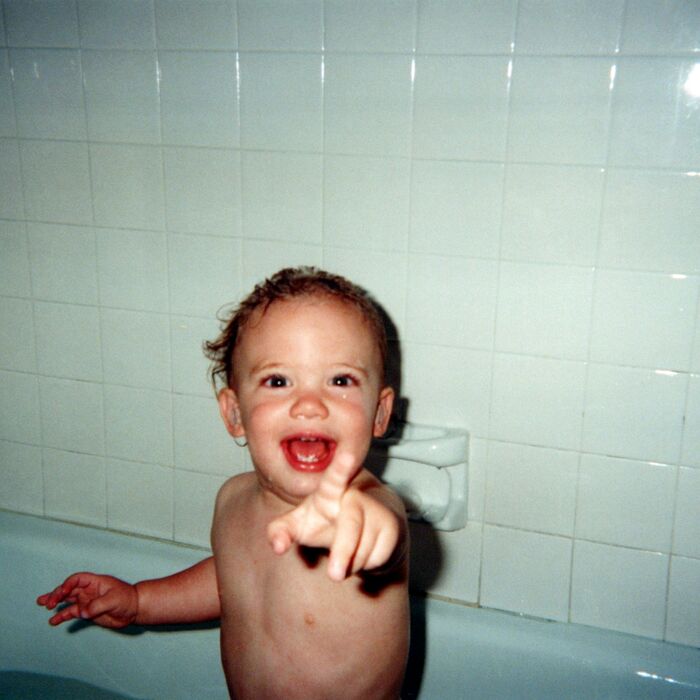
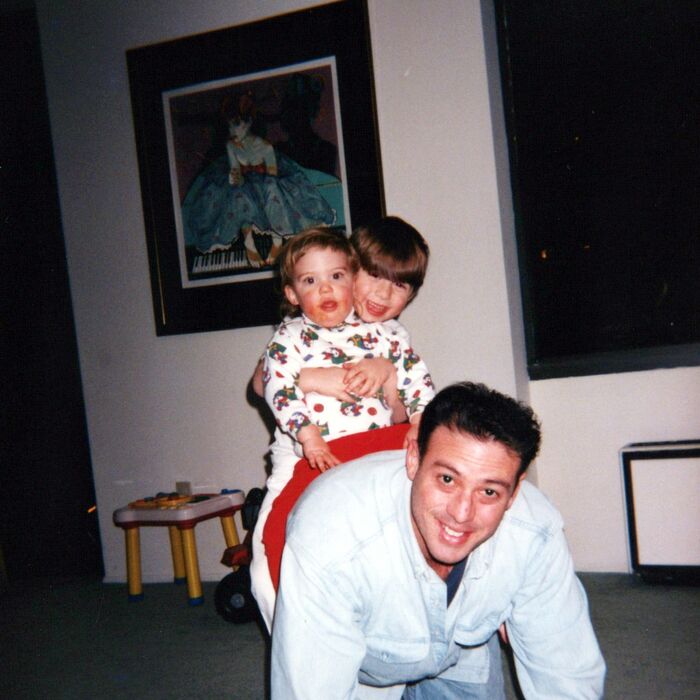
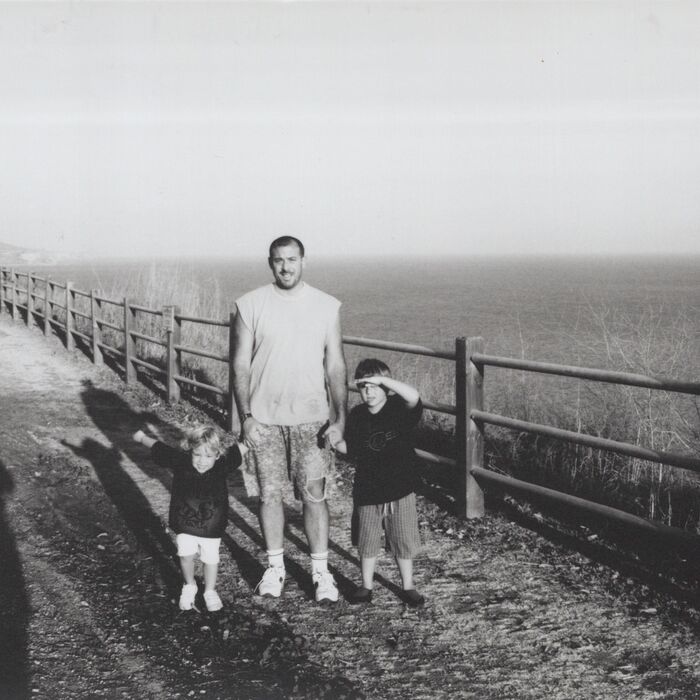
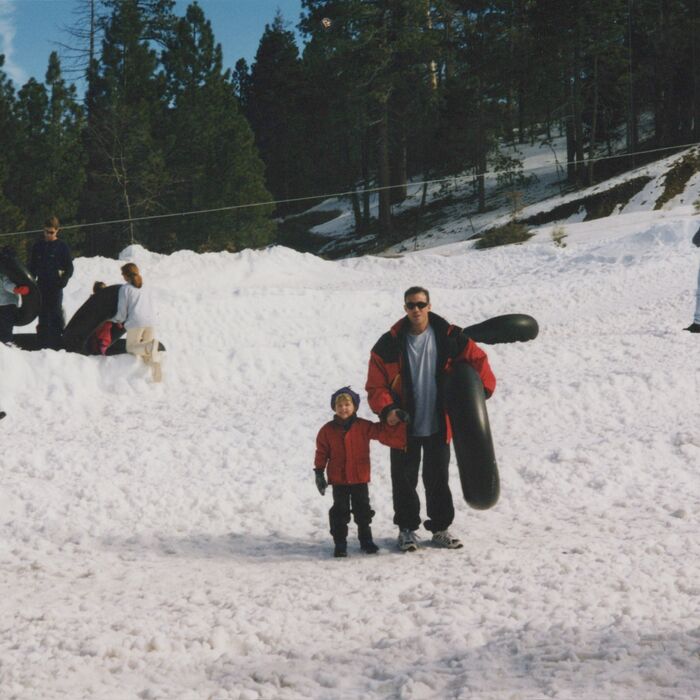
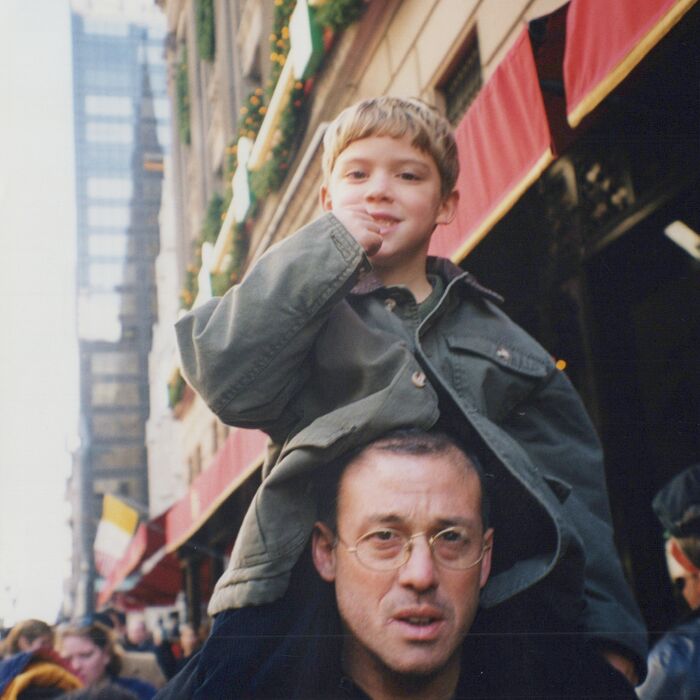
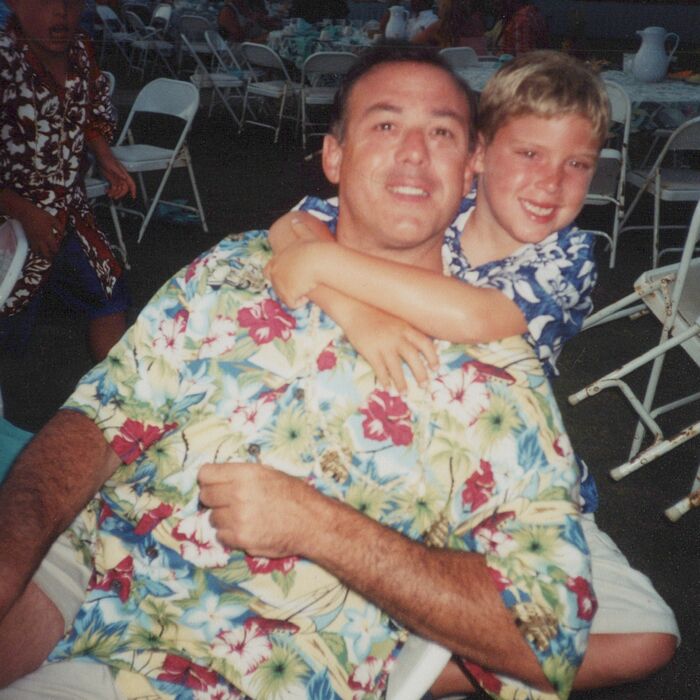
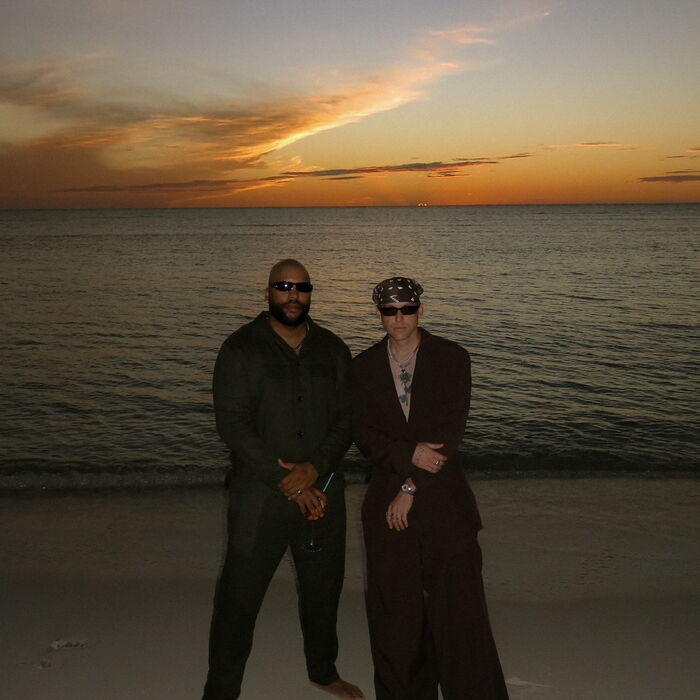
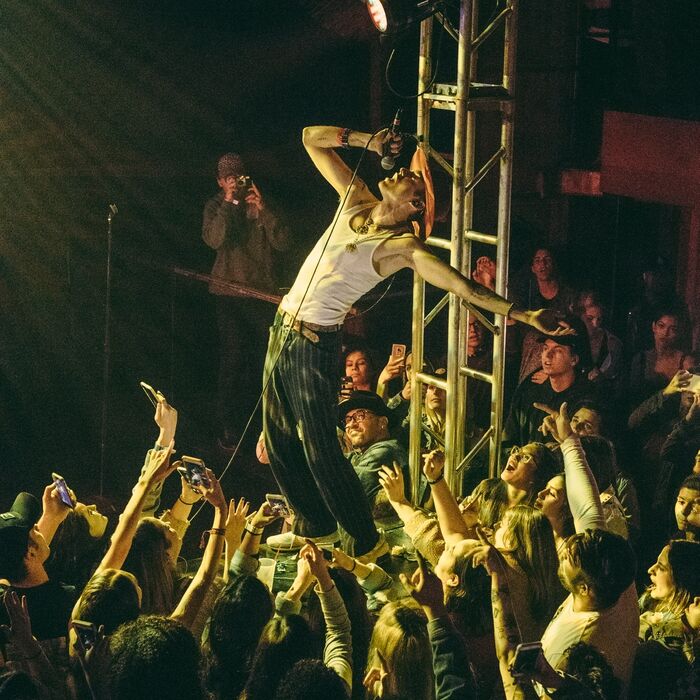
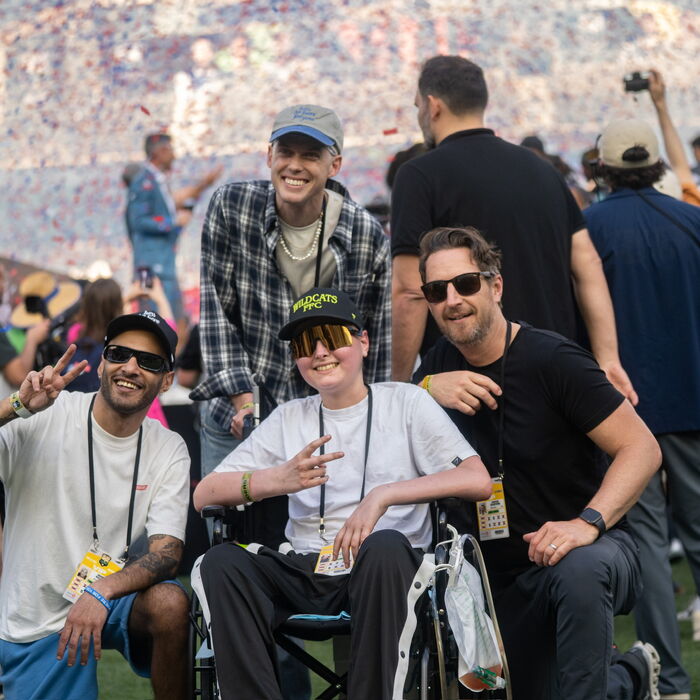
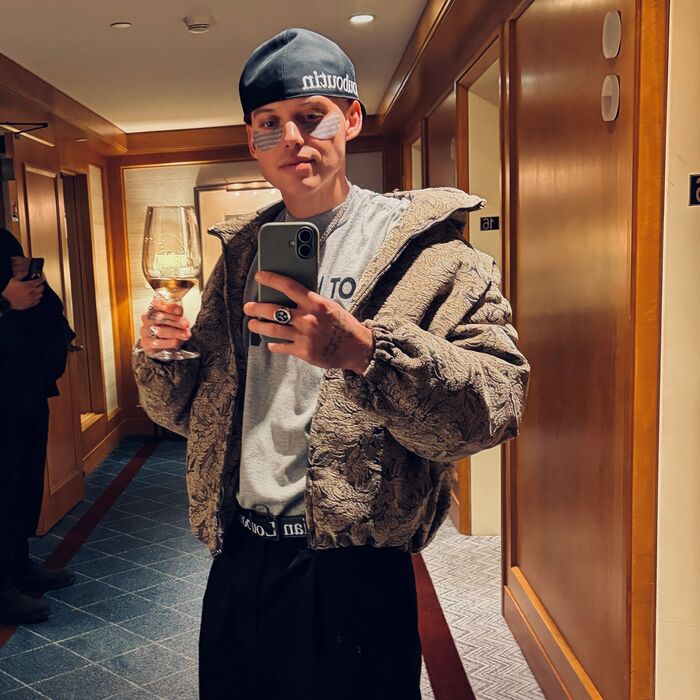
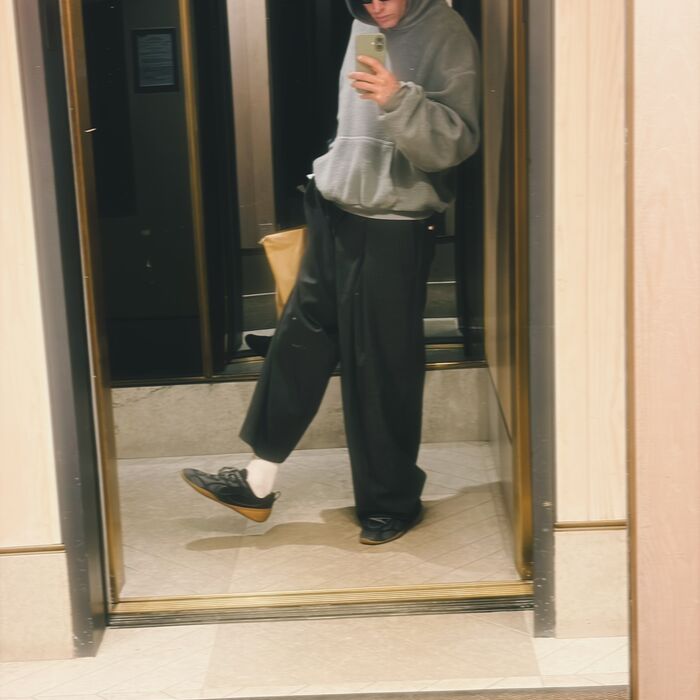
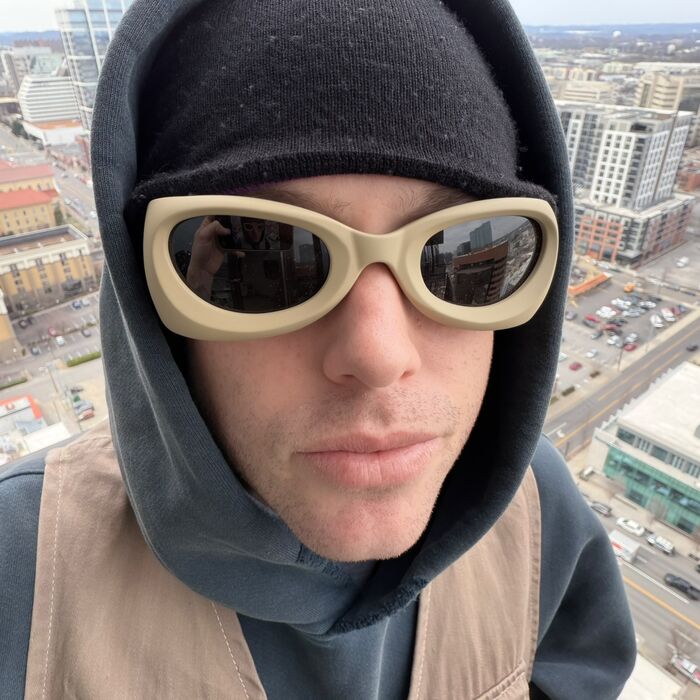
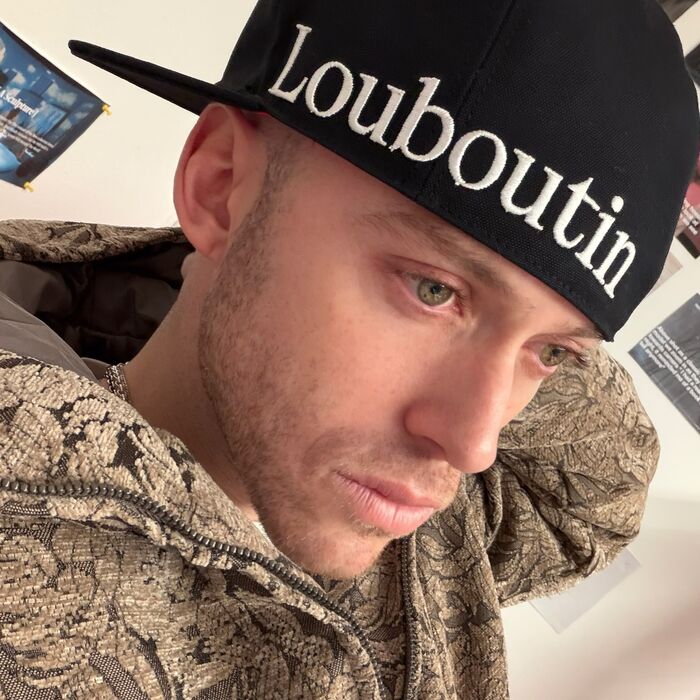
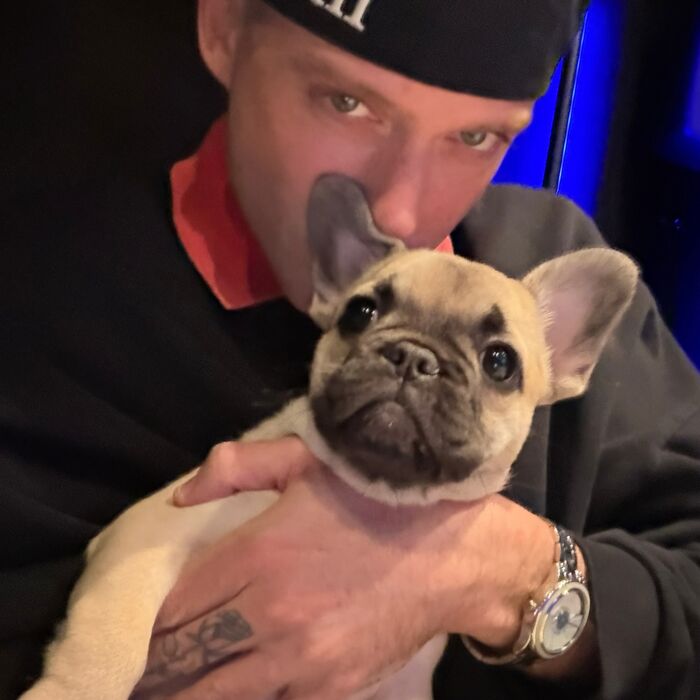
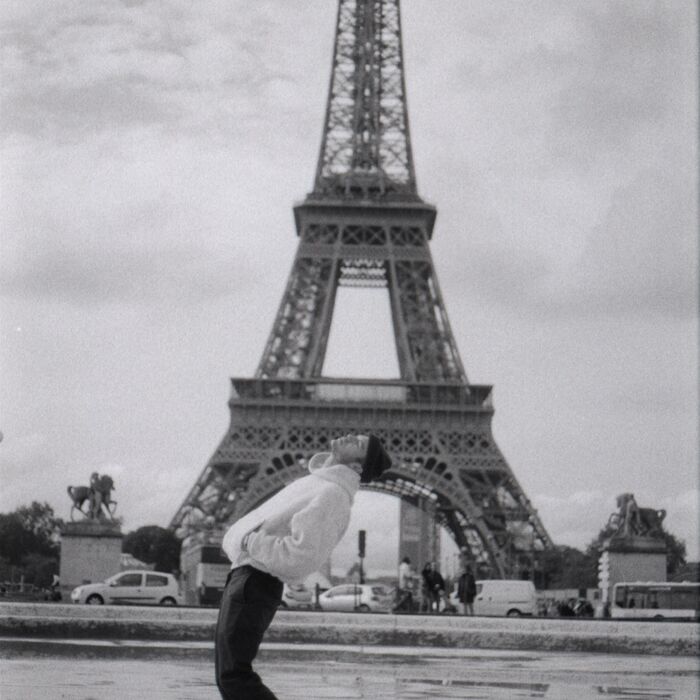
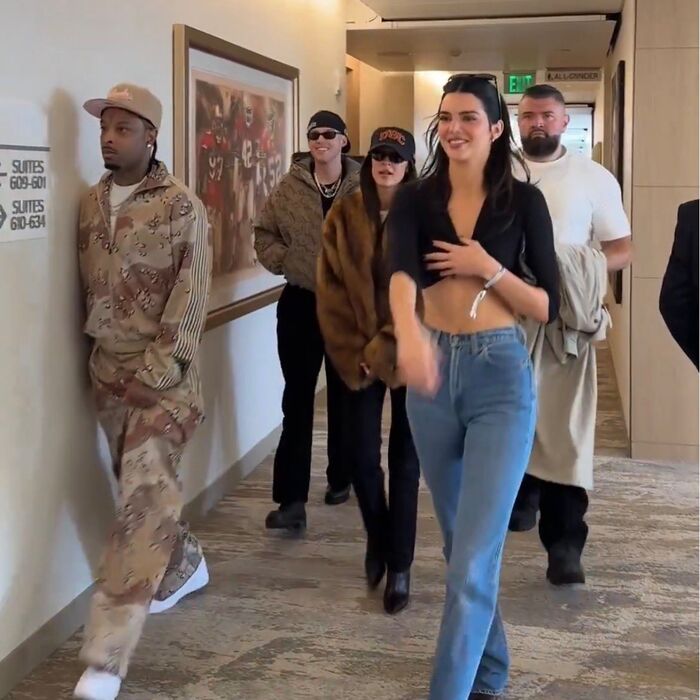
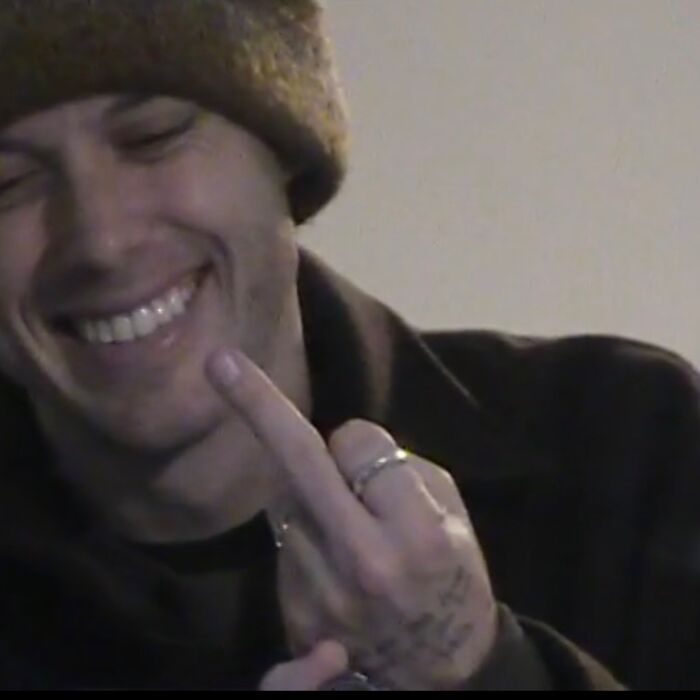
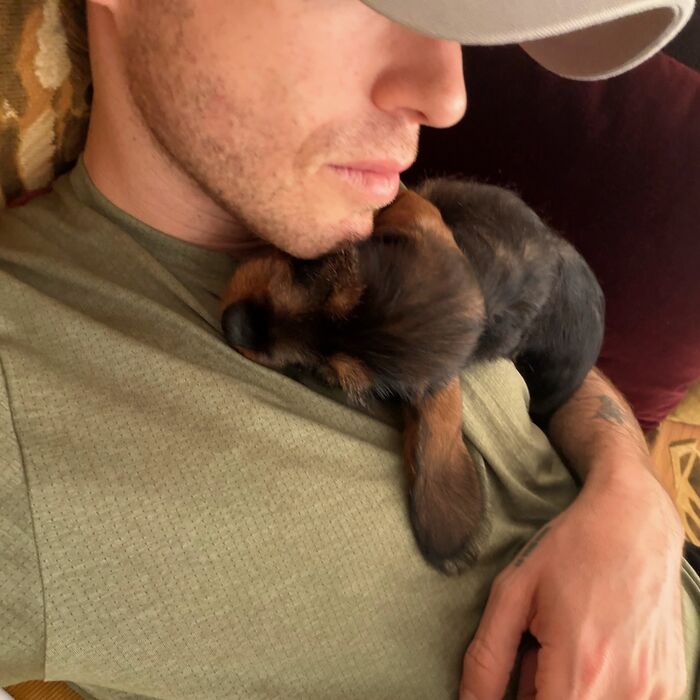
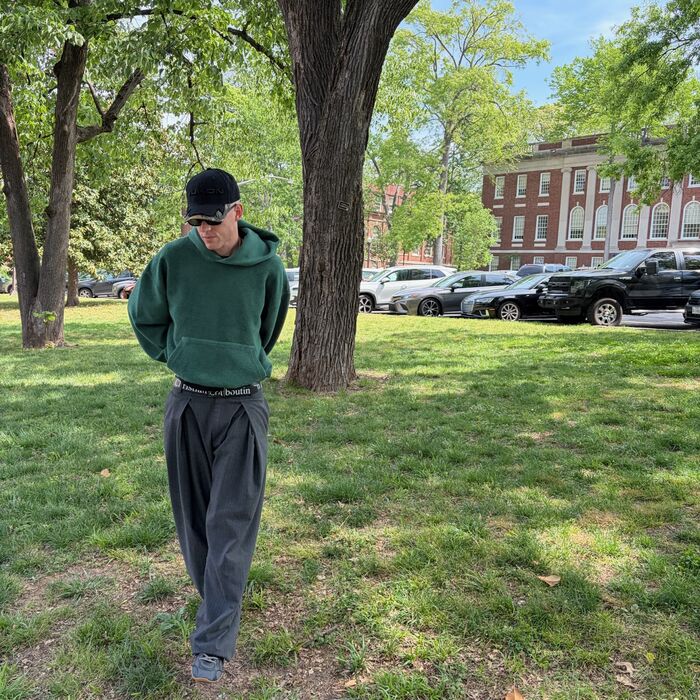
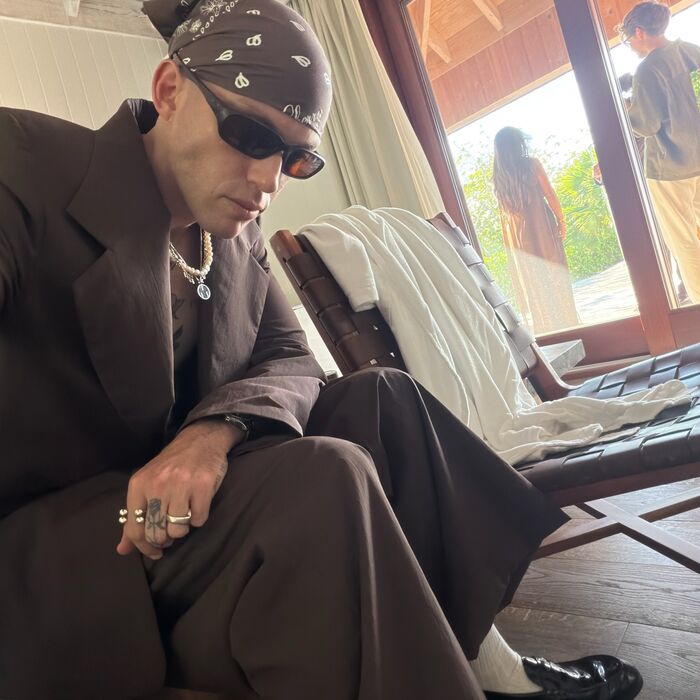
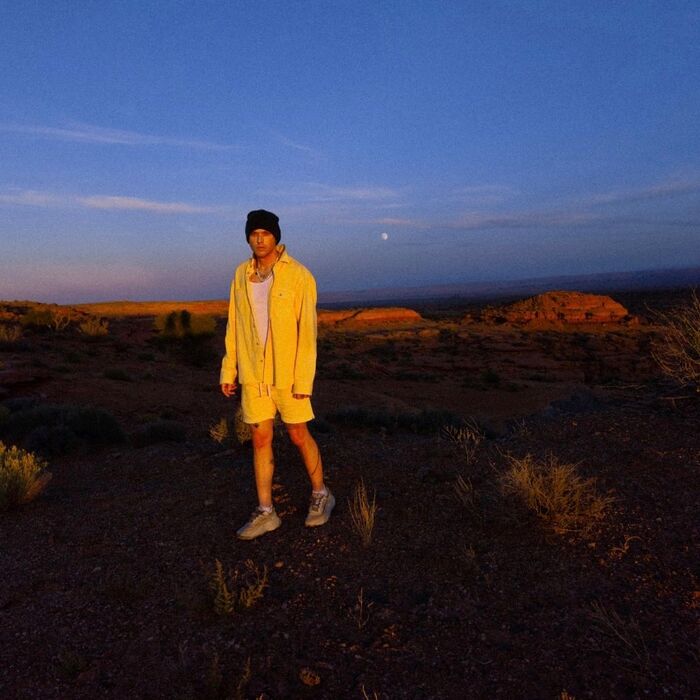
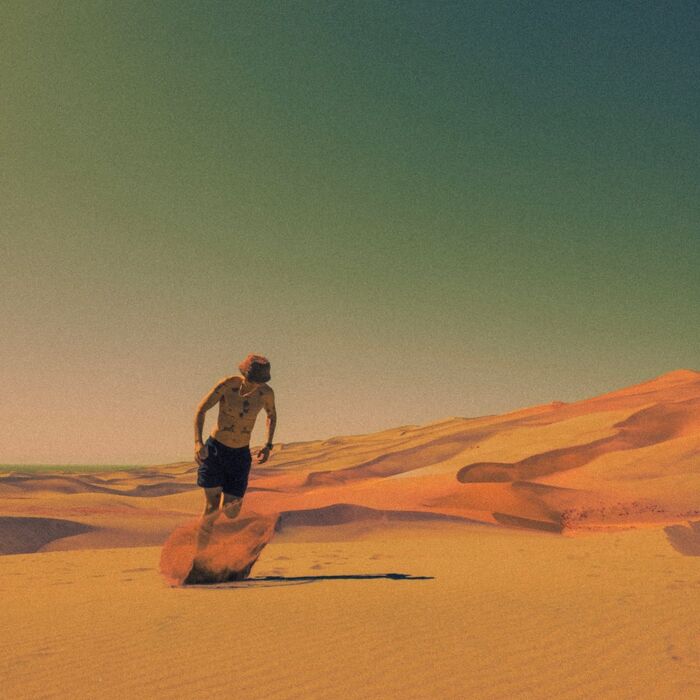
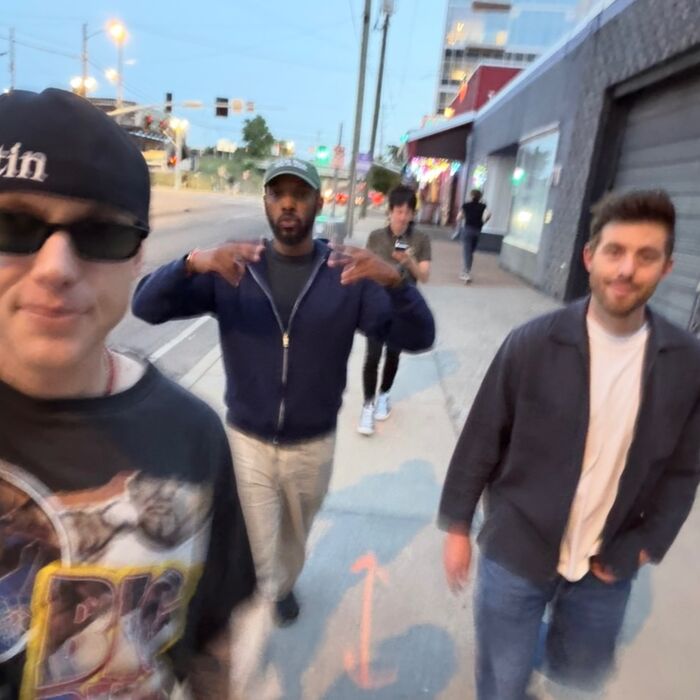
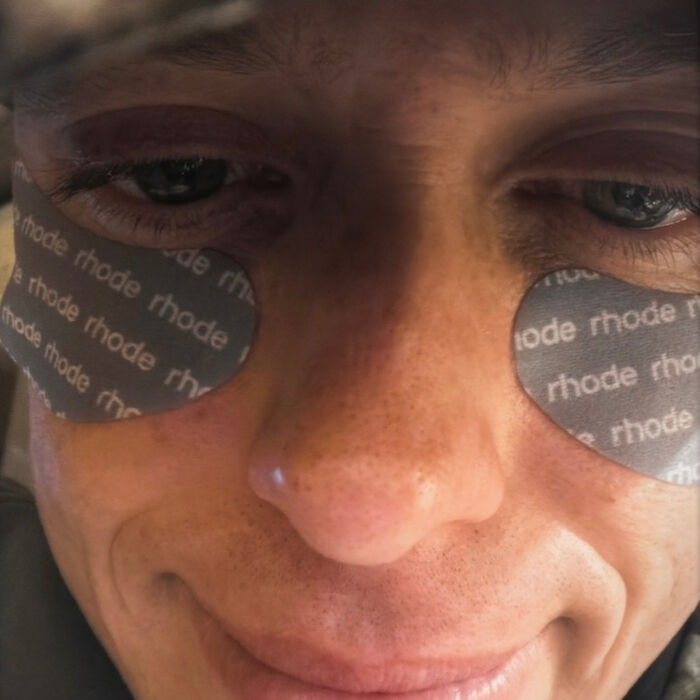
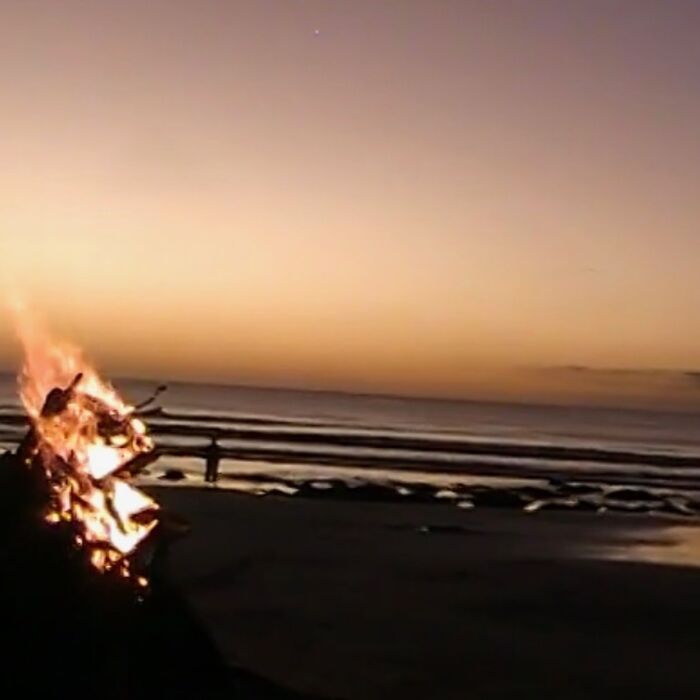
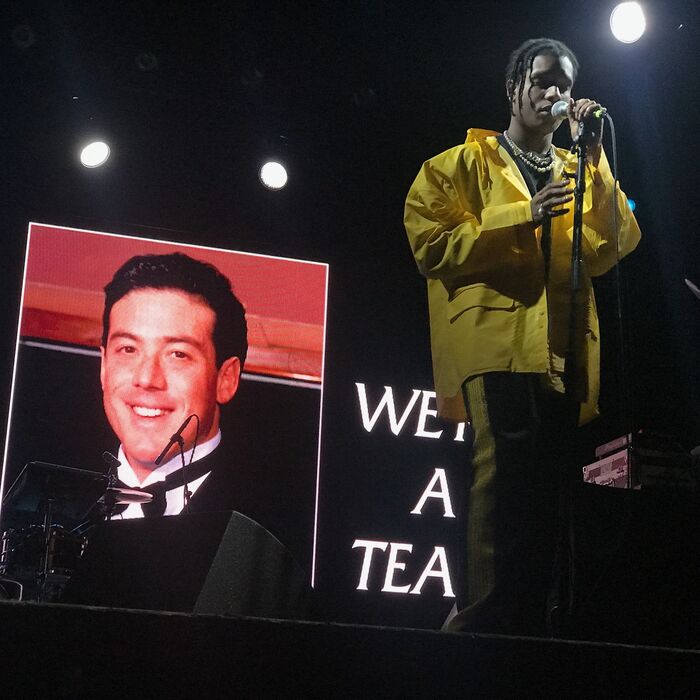
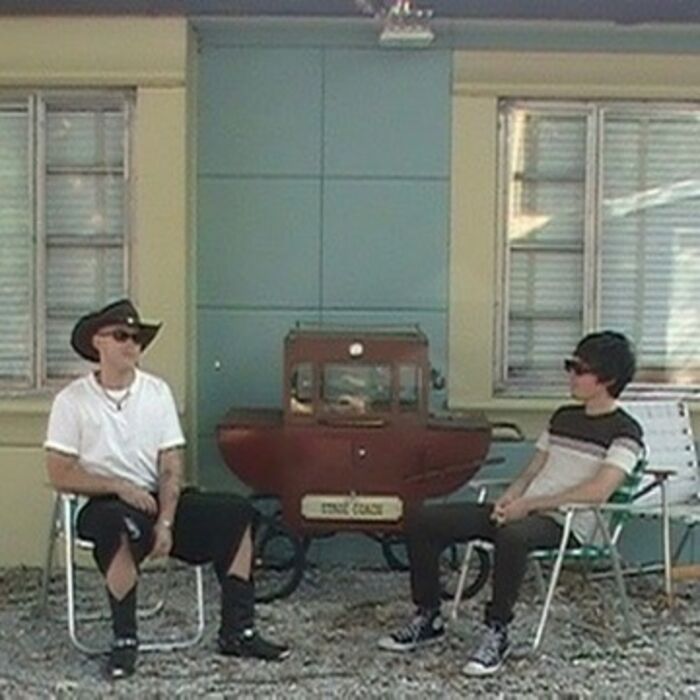
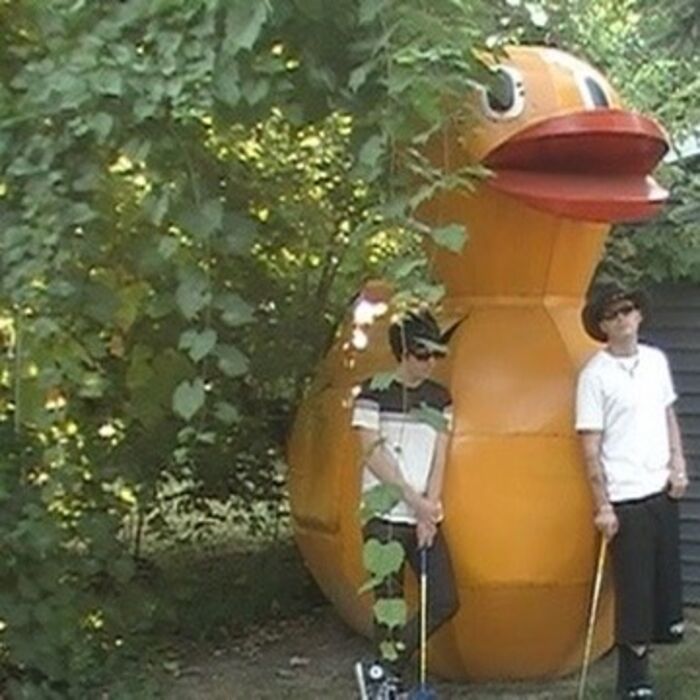
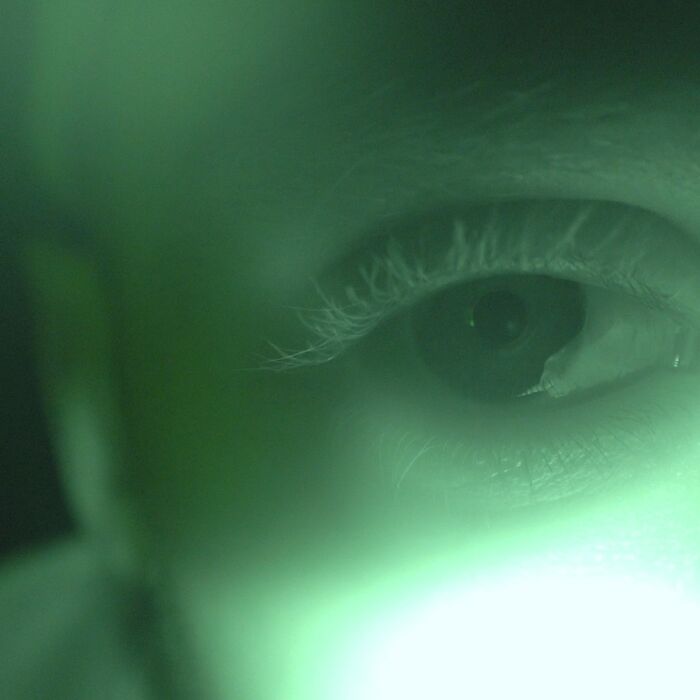
Every part of the project begins with real photography, video, film, performances, people, friendships, events and memories. The system starts with something that actually happened and helps us find more inside it.

























beautiful accidents
The entire creative idea behind Don’t Be Precious is about catching the incredible moments in life as they happen.
We create the material, build the visual rules and leave enough space for something unexpected to happen. The system generates outcomes instead of defining them — coded scripts place images, reshuffle layouts, change scale and position, and layer diary entries and written material into compositions.
Every outcome is built from rules we wrote and material we chose. Images can overlap, repeat, degrade or disappear. Every output is different. Every combination is unplanned.
the work so far
We have already built working tools that rescale, sequence, layer, repeat and randomize existing photography, video and artwork.
We control the source material, the visual direction and the rules of the system.
The technology lets those decisions play out in ways we could never fully plan ahead of time.
the opportunity
We want to take the systems we have already started building and develop them into a larger creative engine for photography, video, design and music.
The album is the starting point.
The system can move through Harry’s life, live events and the people around him, allowing the same original material to keep finding new relationships, new compositions and new ways to live.
Heartbreak Rodeo
We begin with one song and one working creative engine.
We build the visual rules, capture the first body of material and prove that the system can turn real photography and video into a music video that continues changing.
That gives us a complete first example before we bring more people, locations and live events into it.
Google Honky Tonk
A travelling honky tonk that becomes the first live test of the system. Harry brings together friends, artists, musicians, filmmakers and fans. Guests receive Google Pixel devices and document the night from their own perspective — performances, portraits, parties, quiet moments and everything happening around the official event become part of the same body of material.
shot on Google Pixel
Pixel becomes part of the way Harry’s world is documented from the start. Performances, portraits, travel, friends, backstage, parties, quiet moments and all of the imperfect material between the official moments. The images stay honest to the life around the project — the system gives each moment a longer and more interesting life afterward.
how it works
Everything is shot on Pixel and added to a shared Google Drive.
Harry, his friends, collaborators and fans all add their own view of the same night.
The technology moves that material through the visual rules of Don’t Be Precious.
The same night becomes a film shaped by everyone who experienced it.
a living music video
The material collected at Heartbreak Rodeo becomes the music video for one song. Every photograph and piece of footage comes from Harry, the artists, friends and fans who were actually there. Each time the video plays, the system can move through that material differently — footage, photographs, pacing, scale, sequence and composition continue changing within the rules we create.
the full album
Every song can have its own material, visual rules and behavior. One song might grow from the honky tonk. Another might come from Paris Fashion Week, Stagecoach, Harry’s friends, his travels or footage collected directly from fans.
Together they become one visual world that keeps moving alongside the album.

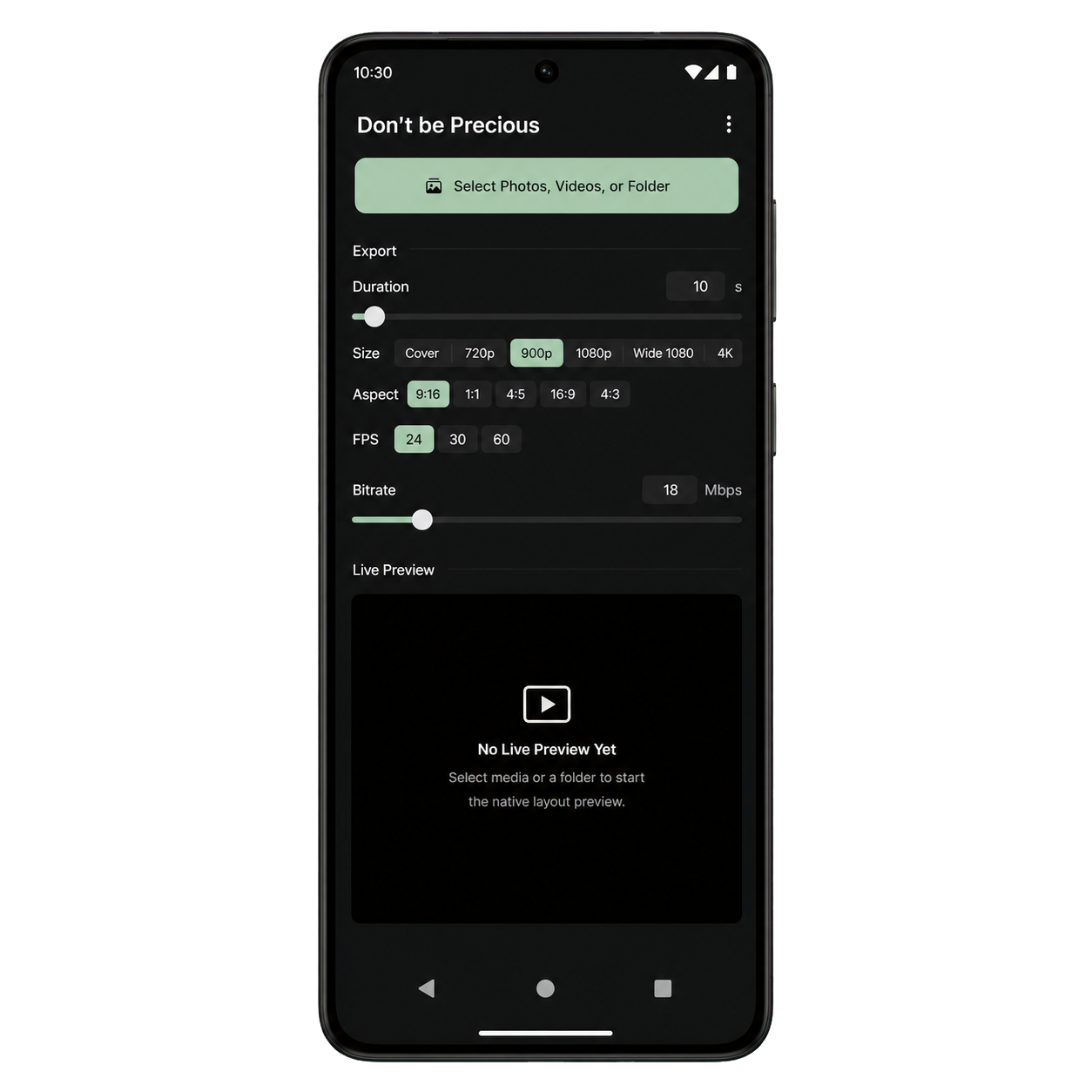
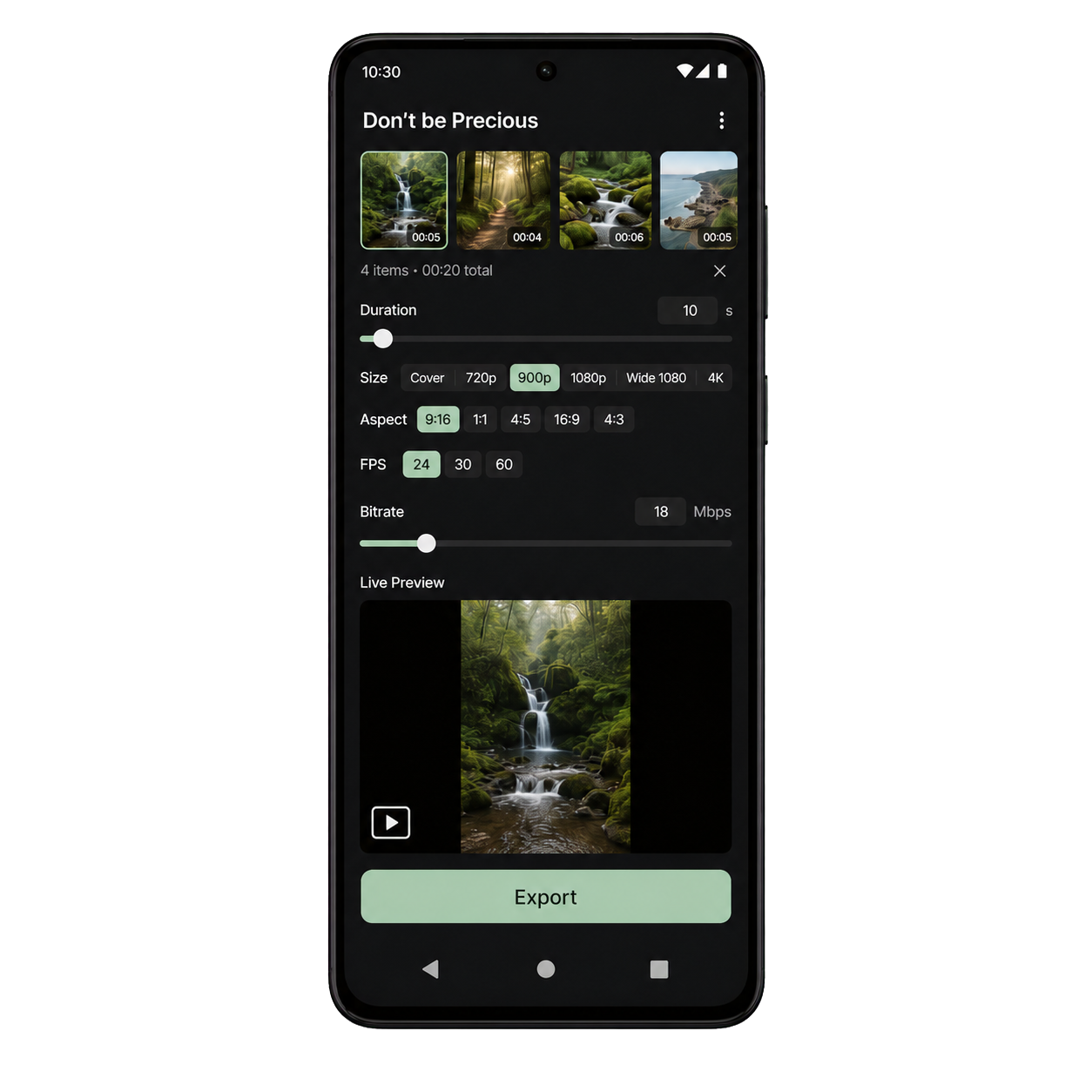
the Don’t Be Precious app
The system can eventually become the Don’t Be Precious app.
An Android app that opens up the same creative tools we have been building for Harry. People can bring in their own photography, video, writing and sound, then use the system to find new ways through material they already made.
The app works with their real life, their taste and their point of view. It gives more people access to the kind of custom creative systems usually built behind closed doors for major artists and campaigns.
Harry’s album becomes the first complete example of what it can do before the system opens up to the world.
why Google
Google already has the pieces that make this possible.
Pixel captures the material. Google Drive brings every perspective into one place. Google’s technology and engineering can help us build the system that turns it into something alive.
Don’t Be Precious gives Google a real cultural use case for creative technology where every photograph, performance and decision still comes from the artist and the people around them.
why us
Don’t Be Precious gives us the world, the material and the visual philosophy. Google gives us the technology, engineering and scale to help it grow.
Together, we can create a new way for artists and the people around them to document real life and keep finding more inside it.