the mission
Don’t Be Precious is about using the life you have while you have it.
After surviving cancer, Harry stopped waiting for perfect conditions. His work comes from real life: the people around him, the places he goes and the moments that stay with him.
But so much of that world never makes it beyond the moment it was captured. The unposted photos, footage between takes, friends in the room, travel and conversations that give the music its meaning.
We want to build a creative system that gives all of it somewhere to live, change and become something new. Not technology that replaces artists or generates their world for them, but technology that helps Harry do more with the real material already around him.
A new way for OpenAI to genuinely support artists, culture and the lives behind the work.
who we are
Harry Hudson
Harry Hudson is a recording artist, songwriter, cancer survivor and founder of Hey, I’m Here For You.
His work has always been connected to the people, places and experiences around him. Music, friendship, recovery, philanthropy and real life all naturally move through the same world.
Harry has built a life and audience around honesty. He brings people into the process, not just the finished product.
His world is full of musicians, artists, actors, designers, photographers and filmmakers. That gives the project a constant stream of real moments, relationships and different perspectives to build from.
Max Angles
Max Angles is Harry’s creative director and a Los Angeles-based artist working across music, merchandise, branding, live experiences and creative technology.
His work sits between culture and systems. He has built creative worlds for artists and platforms including 5 Seconds of Summer, Louis Tomlinson, Coachella, Stagecoach and Goldenvoice.
For Don’t Be Precious, Max is building the visual world alongside the album, directing what gets captured and creating custom systems that allow the same material to keep changing across artwork, film, social content and live visuals.
He uses AI as a technical collaborator to help write, debug and evolve custom scripts, apps and workflows. Inside Photoshop, those scripts use real photography and writing to build layouts, design assets, image sequences and collage systems with thousands of possible outcomes. Camera Raw filter workflows are translated into custom LUTs that carry the same color language into video. Inside Premiere, custom workflows randomize, edit and sequence real source footage into collage films and alternate exports. Nothing visual is generated by AI. The technology helps Max build the tools, then those tools are used to make the work.
the creative system
real life first
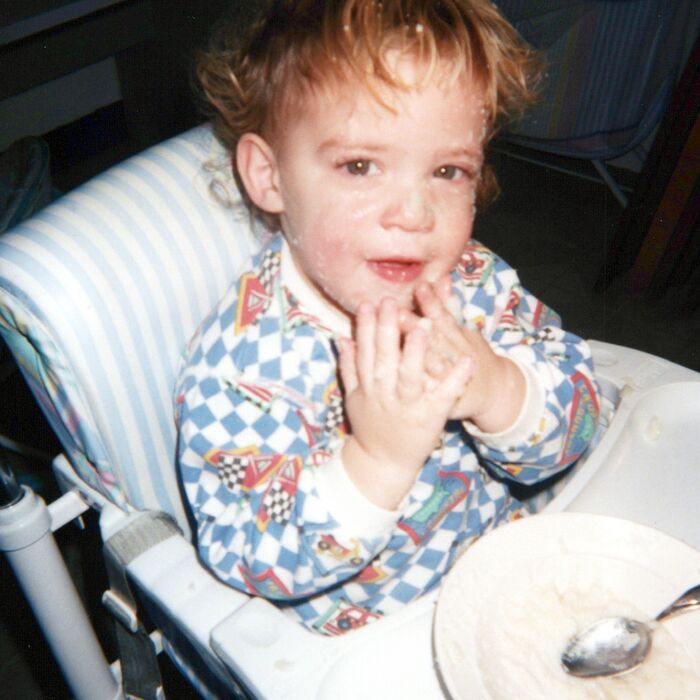
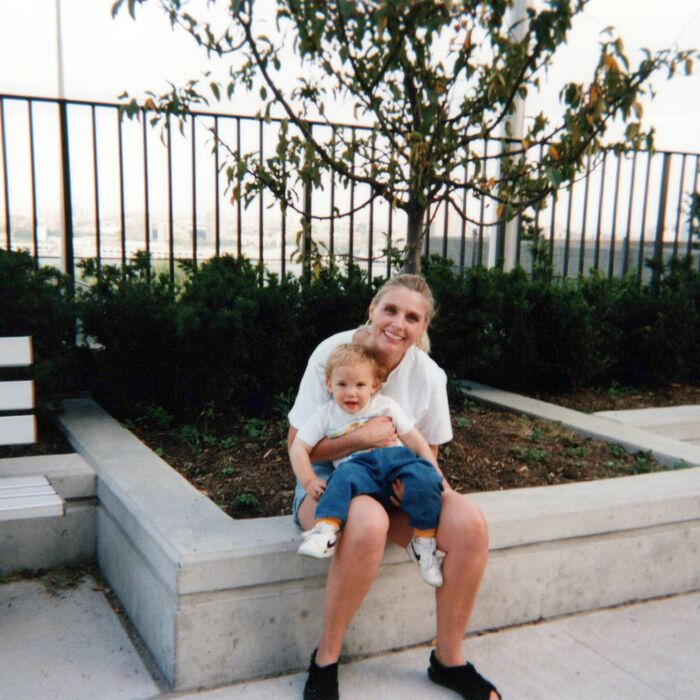
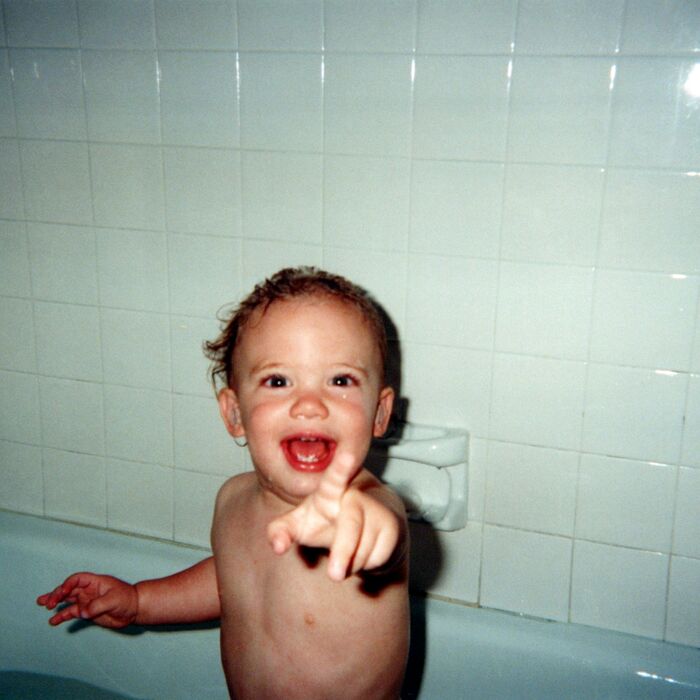
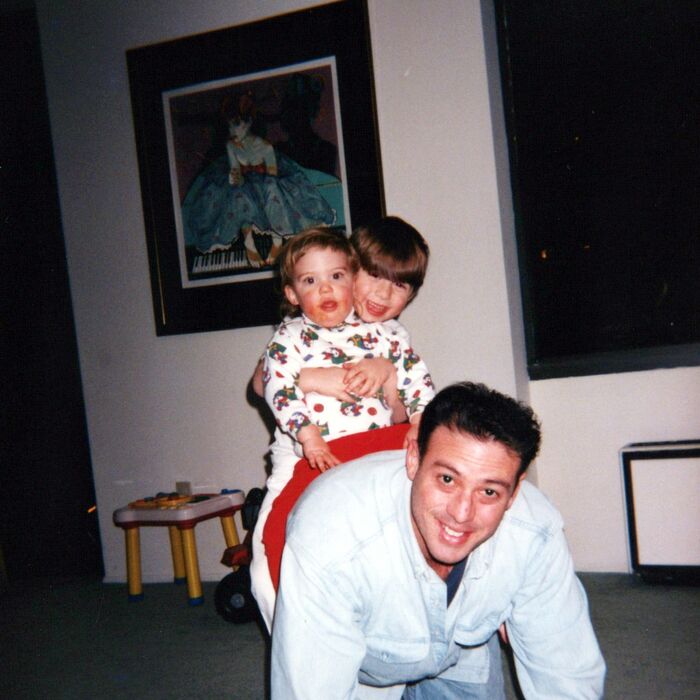
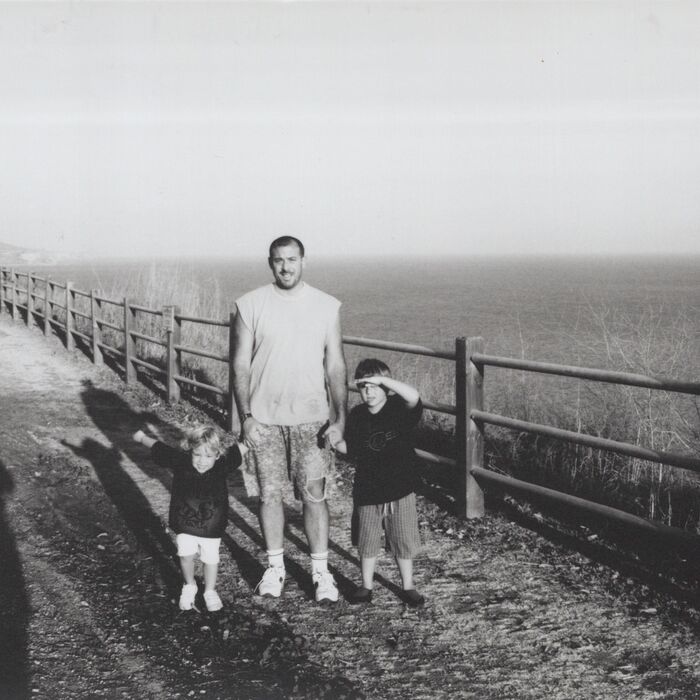
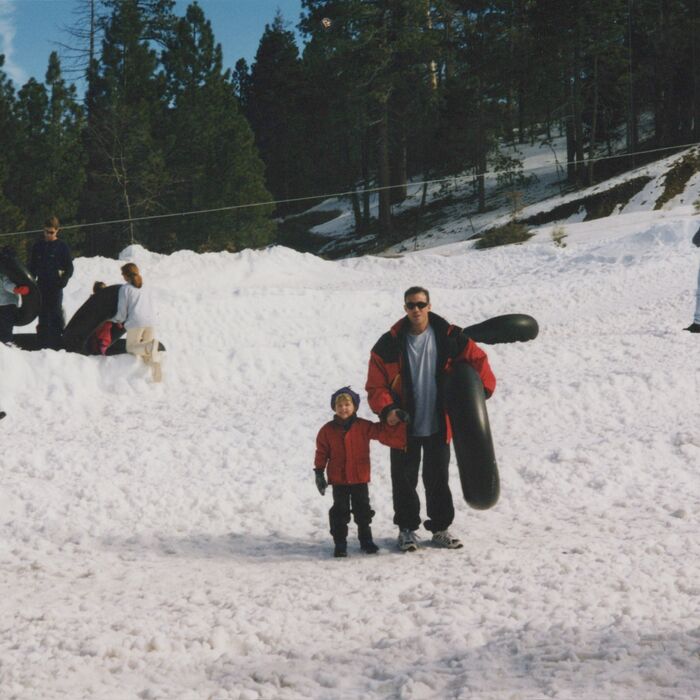
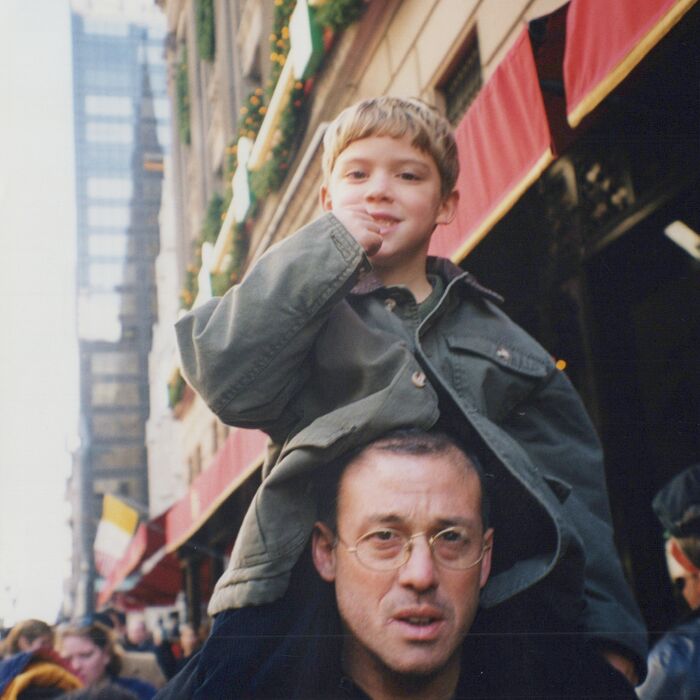
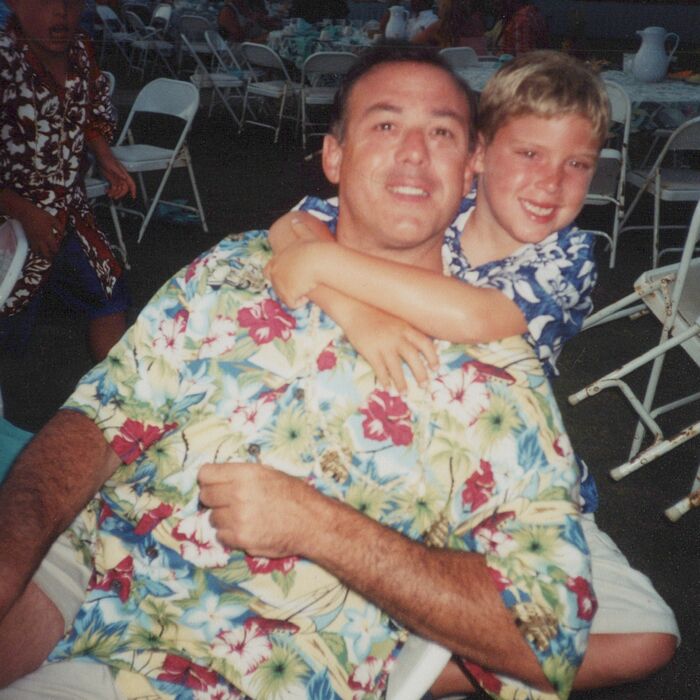
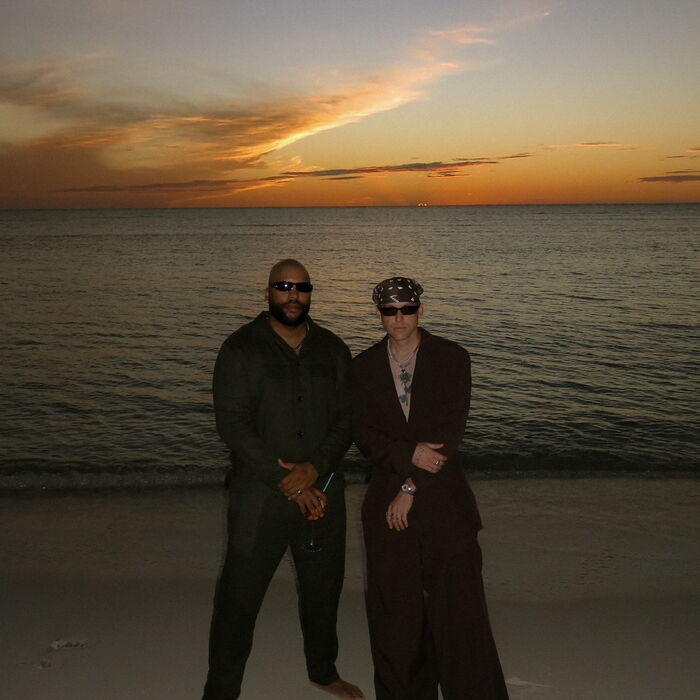
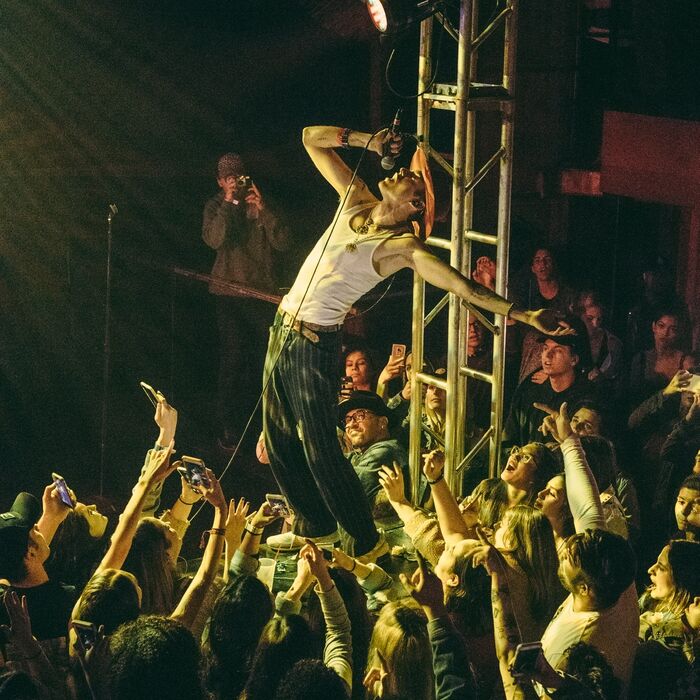
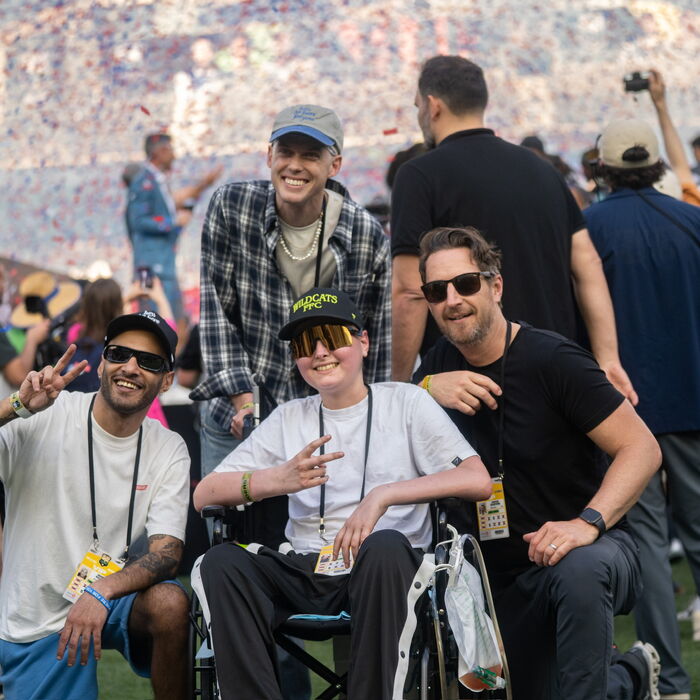
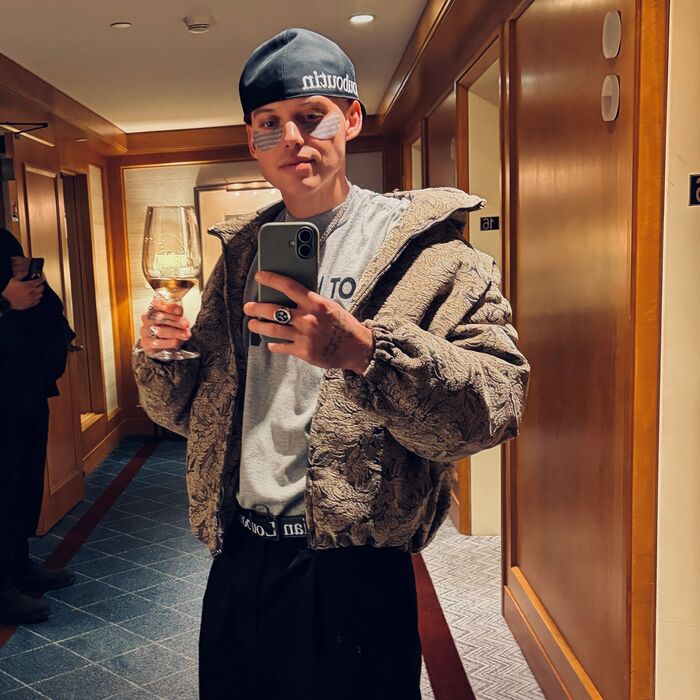
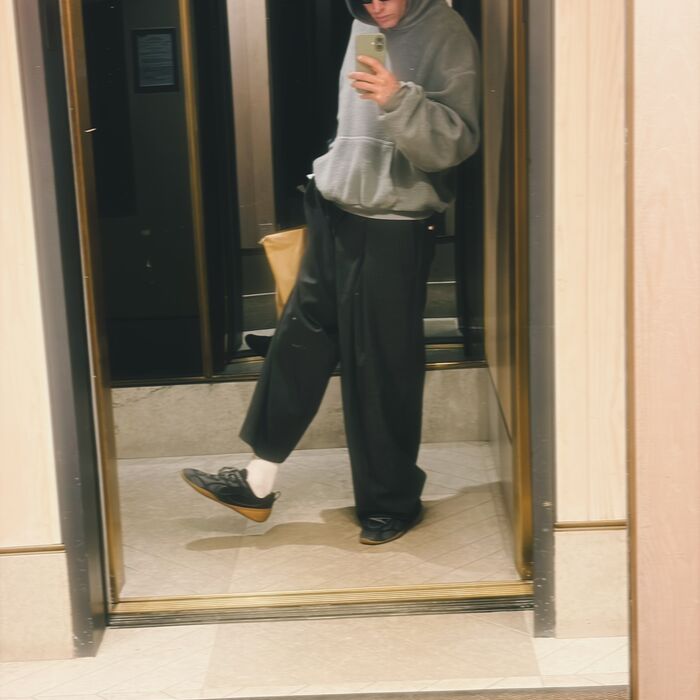
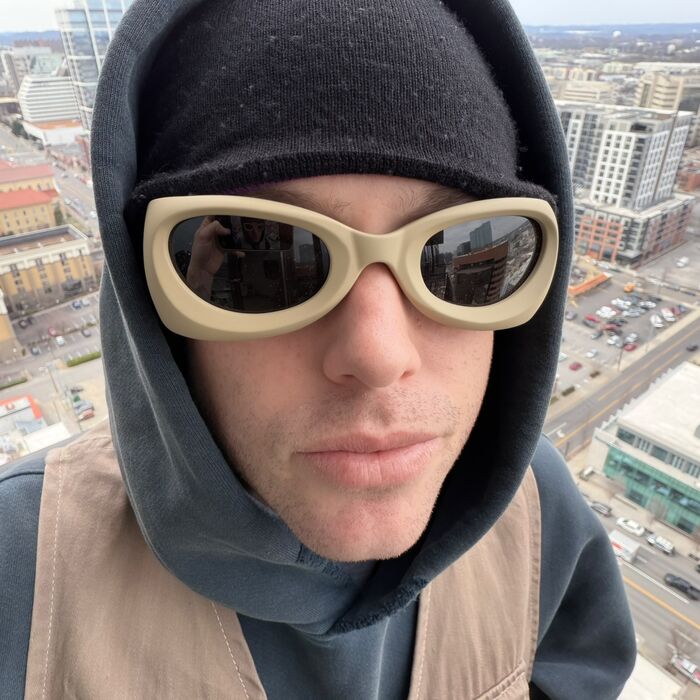
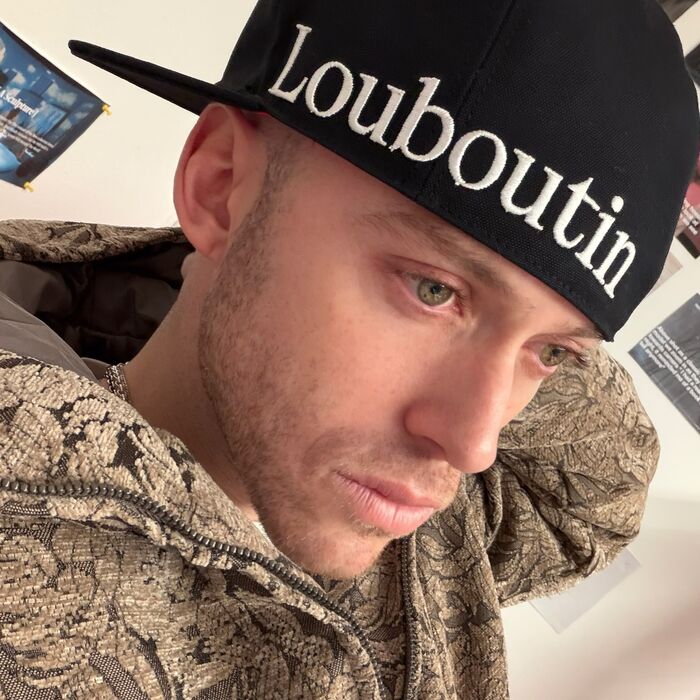
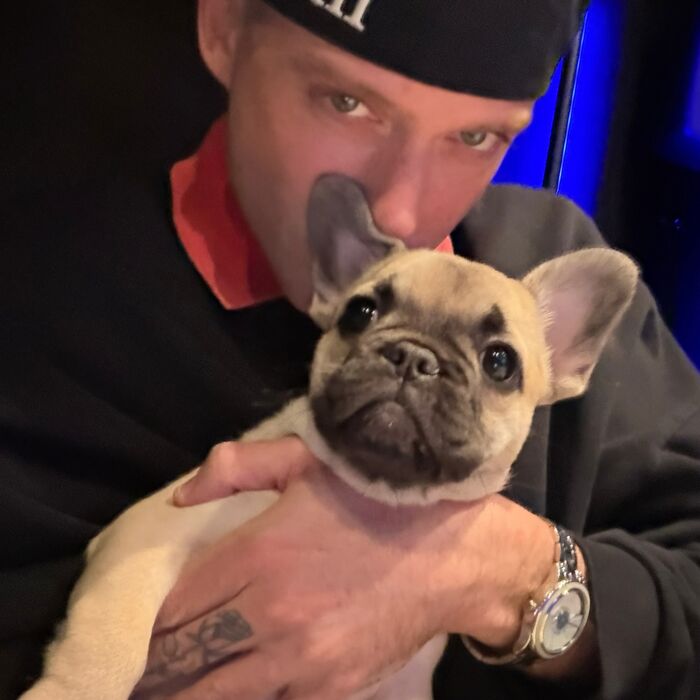
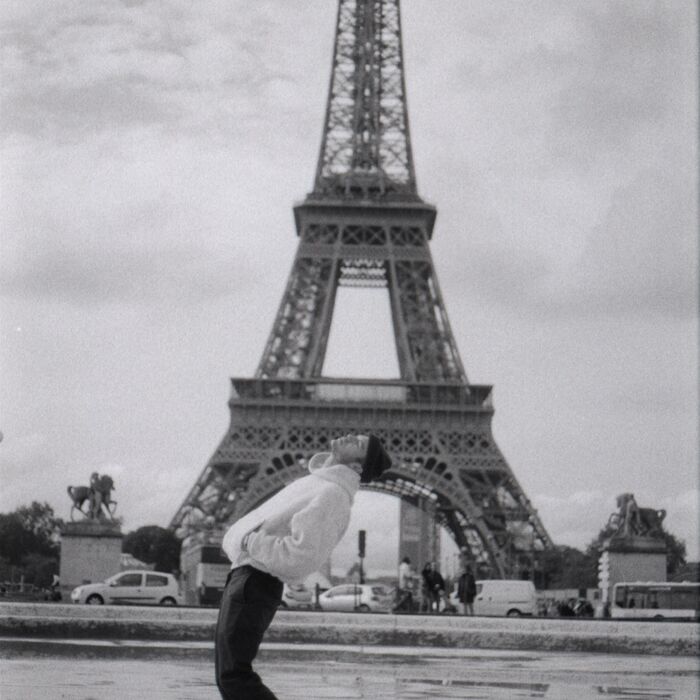
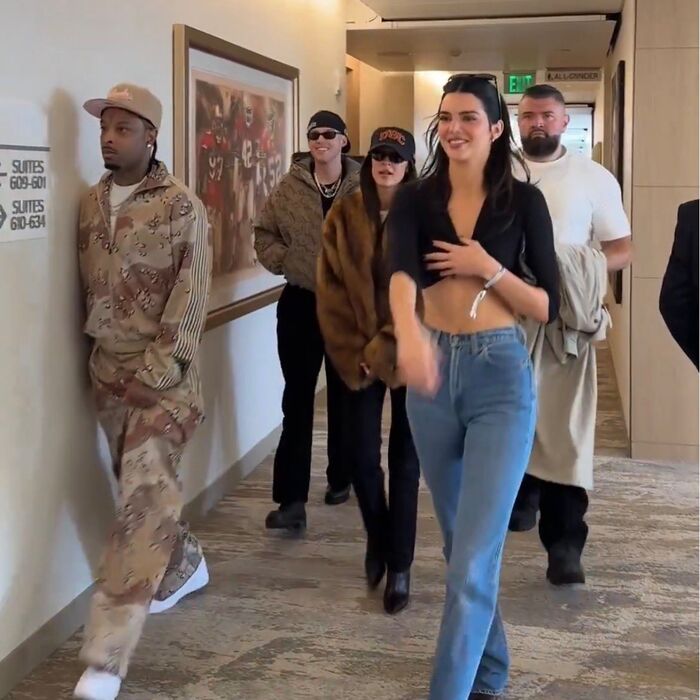
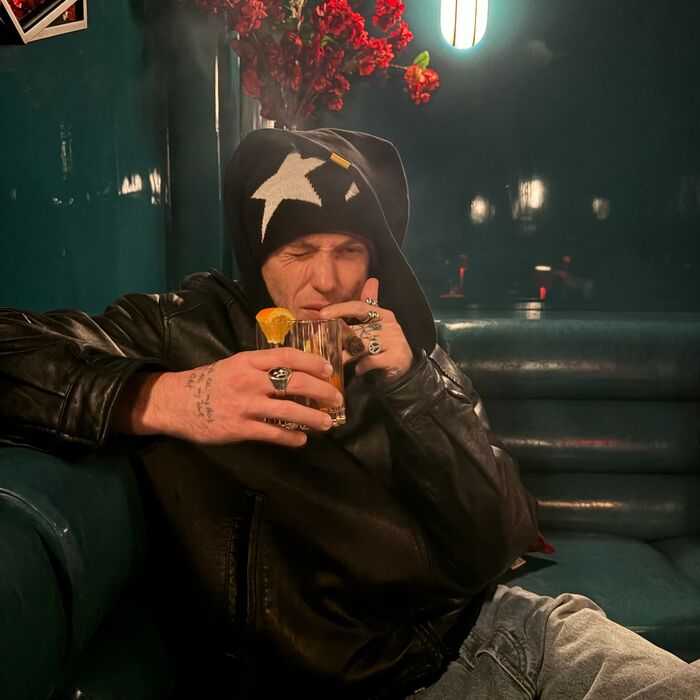
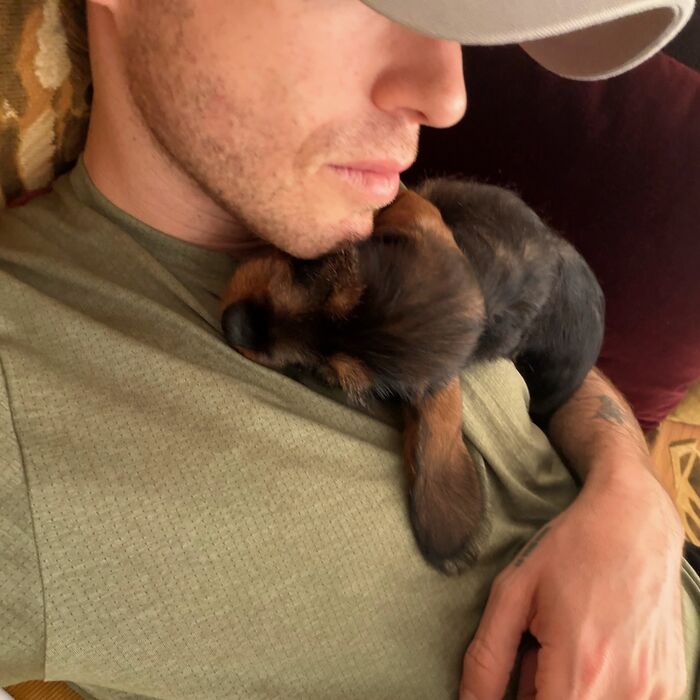
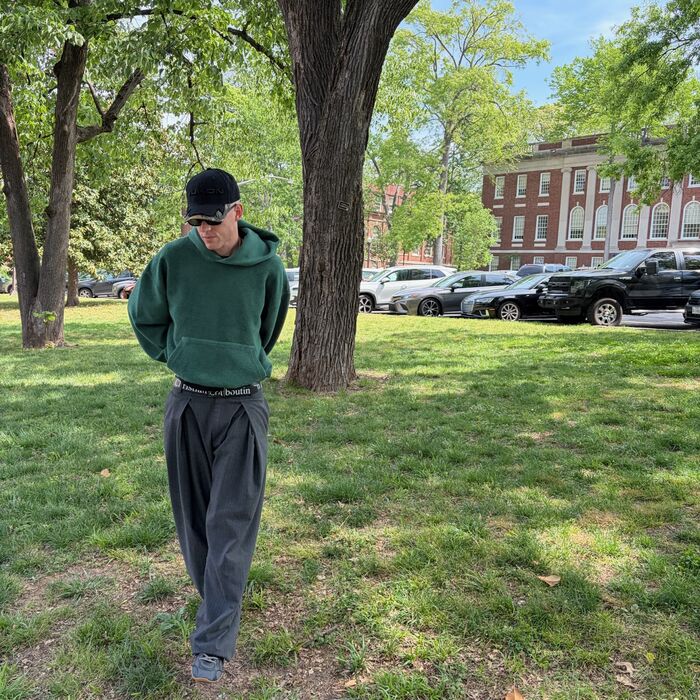
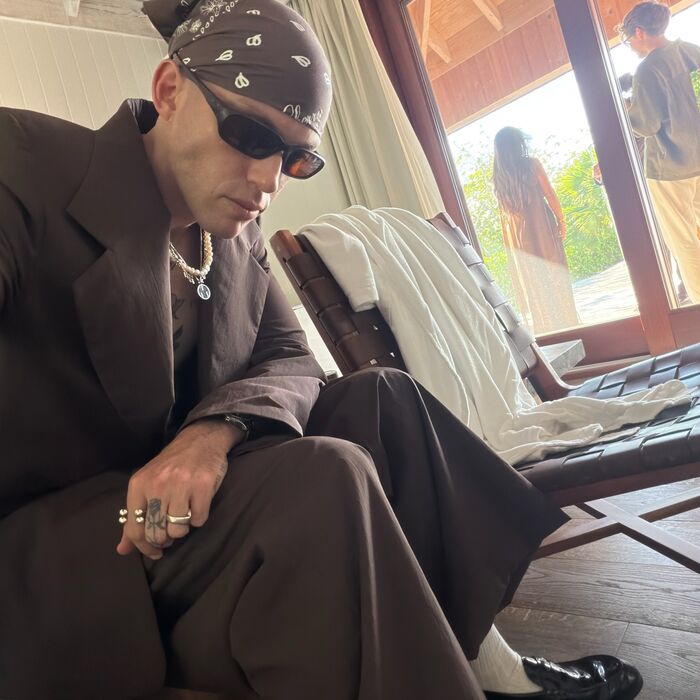
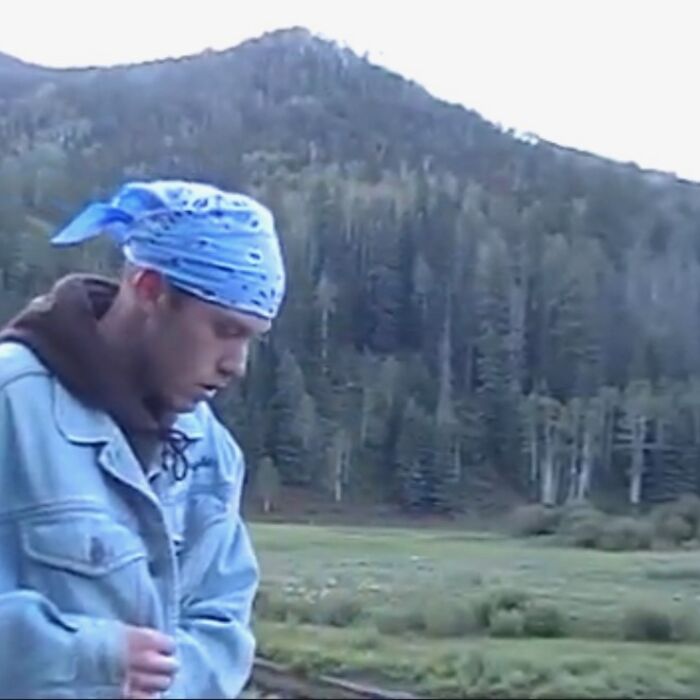
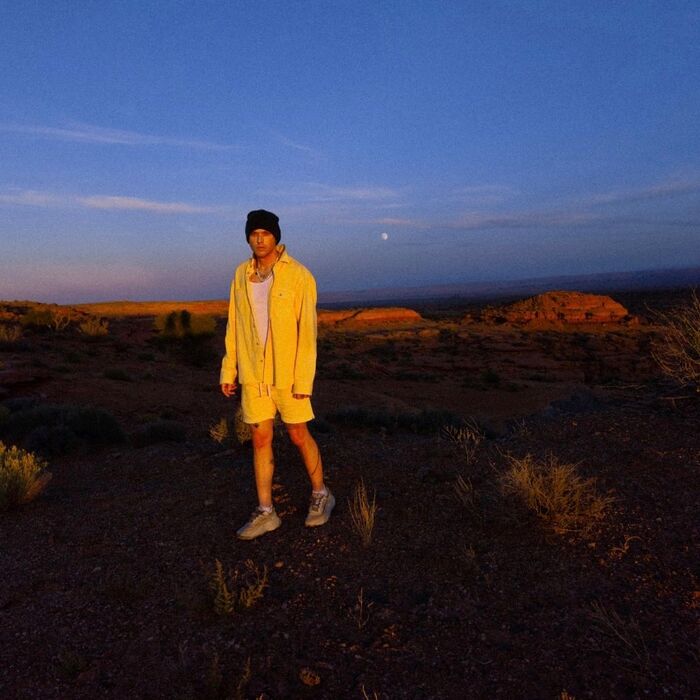
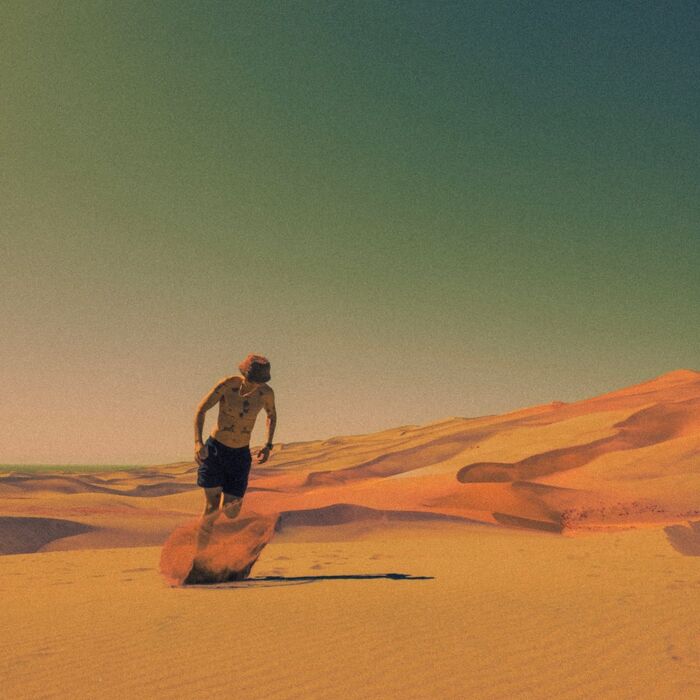
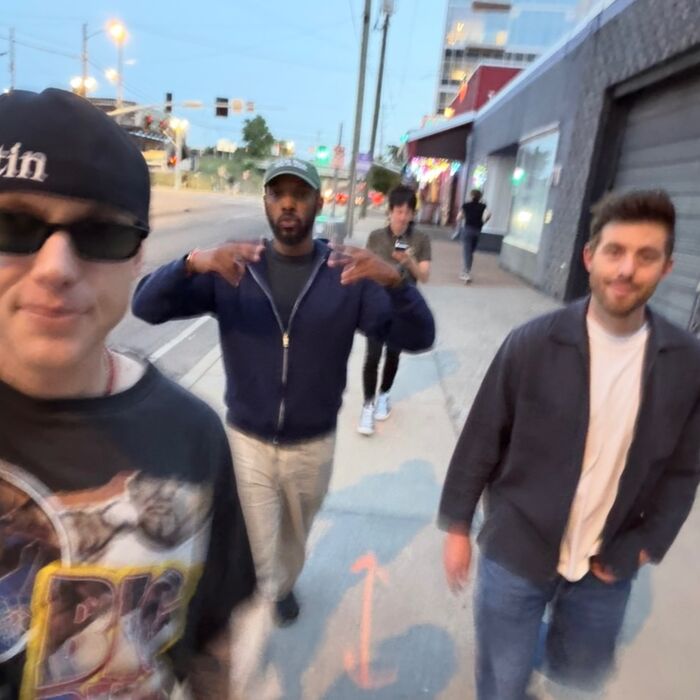
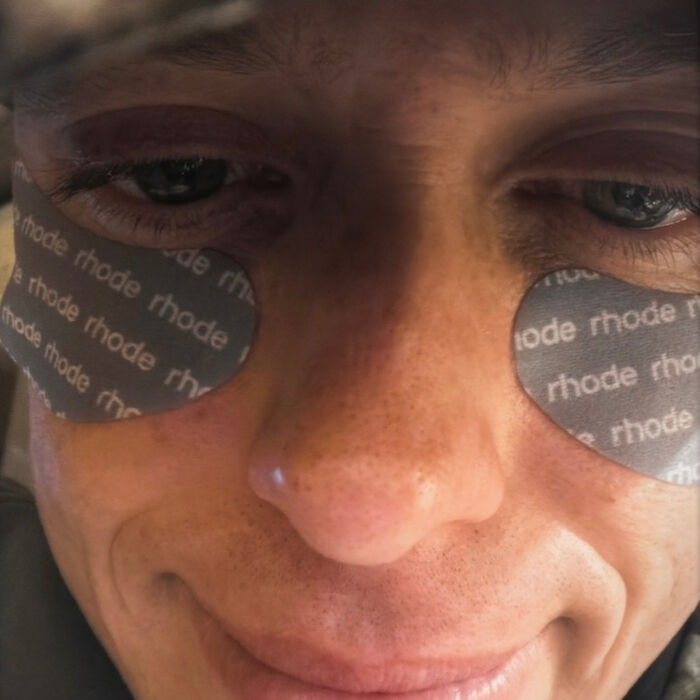
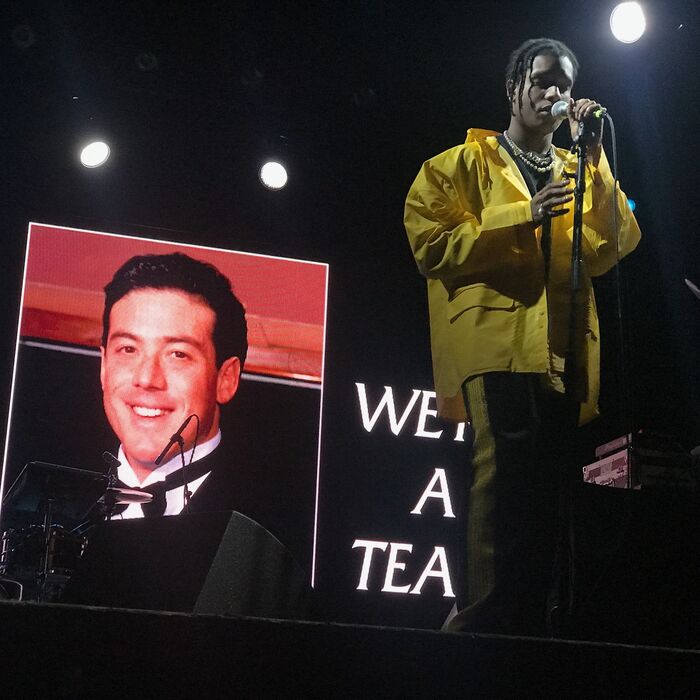
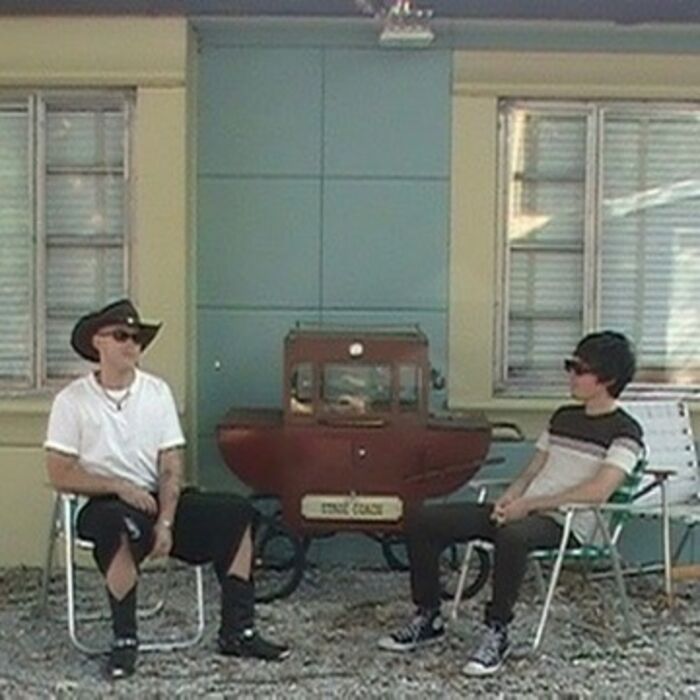
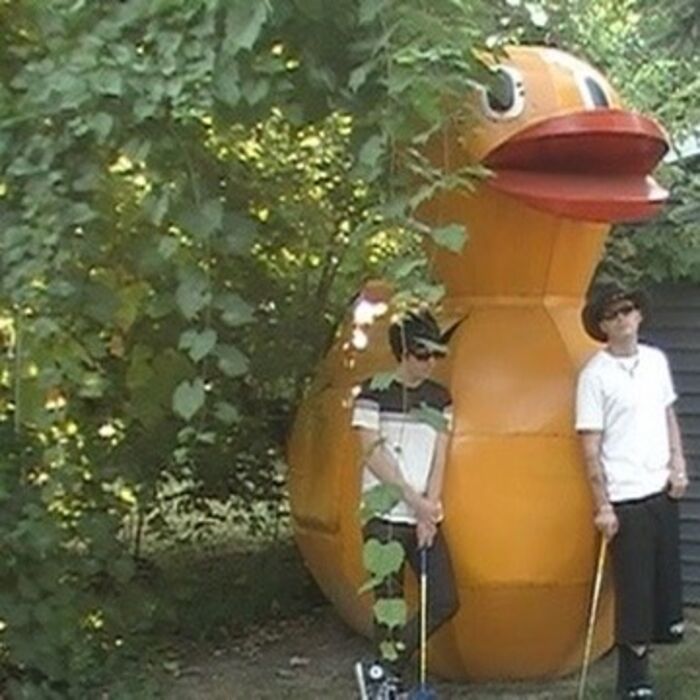
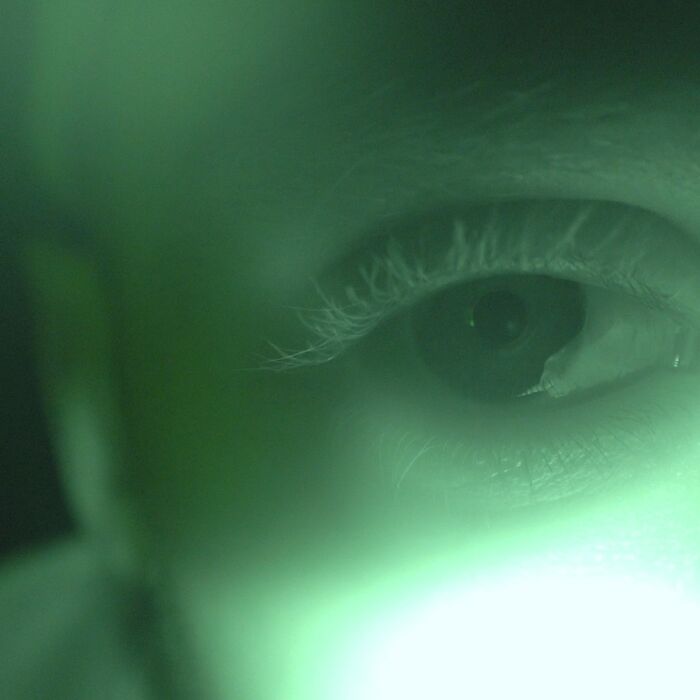
Every part of the project begins with real photography, video, film, performances, people, friendships, events and memories. The system starts with something that actually happened and helps us find more inside it.


























beautiful accidents
The entire creative idea behind Don’t Be Precious is about catching the incredible moments in life as they happen.
We create the material, build the visual rules and leave enough space for something unexpected to happen. The system generates outcomes instead of defining them. Coded scripts place images, reshuffle layouts, change scale and position, sequence real video and layer diary entries and written material into compositions.
Every outcome is built from rules we wrote and material we chose. Images can overlap, repeat, degrade or disappear. Every output is different. Every combination is unplanned.
the work so far
We have already built working tools that rescale, sequence, layer, repeat and randomize existing photography, video and artwork.
OpenAI and Codex help us write, debug and develop the code behind those tools. We control the source material, the visual direction and the rules of the system.
The technology lets those decisions play out in ways we could never fully plan ahead of time.
the opportunity
We want to take the systems we have already started building and develop them into a larger creative engine for photography, video, design and music.
The album is the starting point.
The system can move through Harry’s life, live events and the people around him, allowing the same original material to keep finding new relationships, new compositions and new ways to live. OpenAI is already helping us build these tools. A partnership would give us the support and scale to connect them and push the system further.
Heartbreak Rodeo
We begin with one song and one working creative engine.
We build the visual rules, capture the first body of material and prove that the system can turn real photography and video into a music video that continues changing.
That gives us a complete first example before we bring more people, locations and live events into it.
the traveling honky-tonk
A traveling honky-tonk that becomes the first live test of the system. Harry brings together friends, artists, musicians, filmmakers and fans. Guests document the night from their own perspective. Performances, portraits, parties, quiet moments and everything happening around the official event become part of the same body of material. The activation can travel through Venice Beach, Stagecoach, New York Fashion Week, Paris Fashion Week and the places where Harry’s world is already happening.
built with OpenAI
OpenAI gives us the power to build tools as ambitious as the ideas behind them.
OpenAI doesn’t create the artwork. It helps us build the tools we use to create it.
how it works
Photography, footage, writing and sound are captured from real life.
Harry, his friends, collaborators and fans add their own view of the same world.
OpenAI and Codex help us develop the custom tools that move the material through the visual rules of Don’t Be Precious.
Those tools become artwork, films and experiences built from the real material around the project.
a living music video
The material collected at Heartbreak Rodeo becomes the music video for one song. Every photograph and piece of footage comes from Harry, the artists, friends and fans who were actually there. Custom Premiere workflows take those source videos and recompose them into randomized sequences, collage edits and alternate exports. LUTs developed from our Camera Raw filter workflows carry the same visual language from the photography into motion. Every version is built from the real material, then edited, recolored, finished and exported in Premiere.
the full album
Every song can have its own material, visual rules and behavior. One song might grow from the honky-tonk. Another might come from Paris Fashion Week, Stagecoach, Harry’s friends, his travels or footage collected directly from fans.
Together they become one visual world that keeps moving alongside the album.
the Don’t Be Precious app
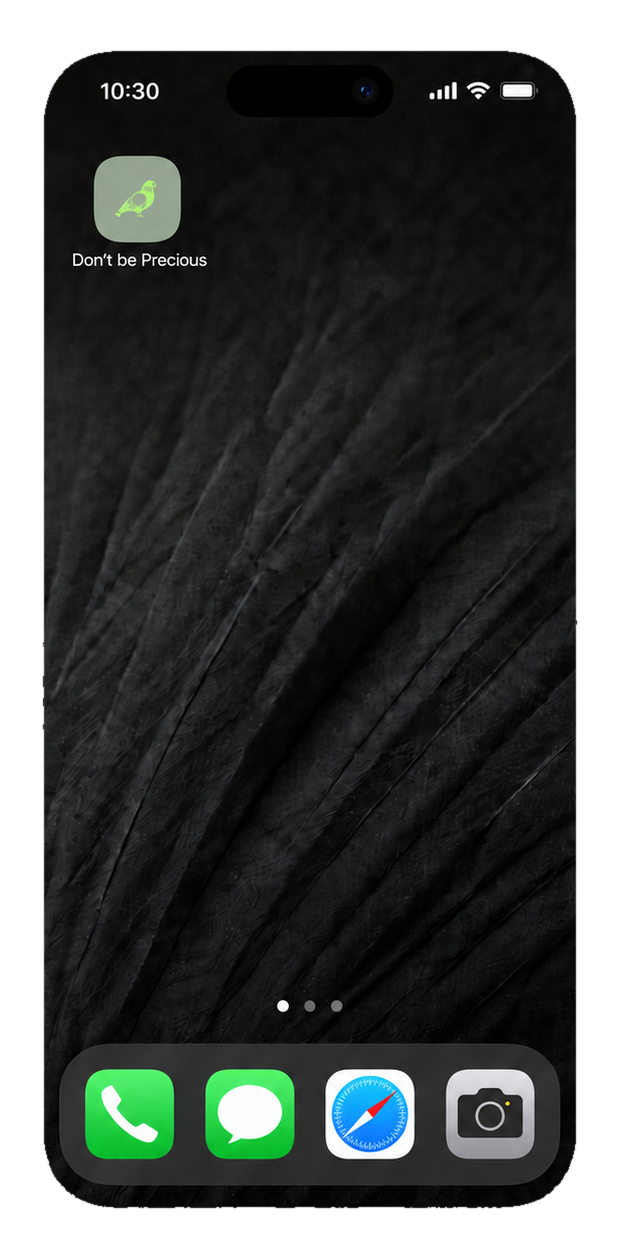
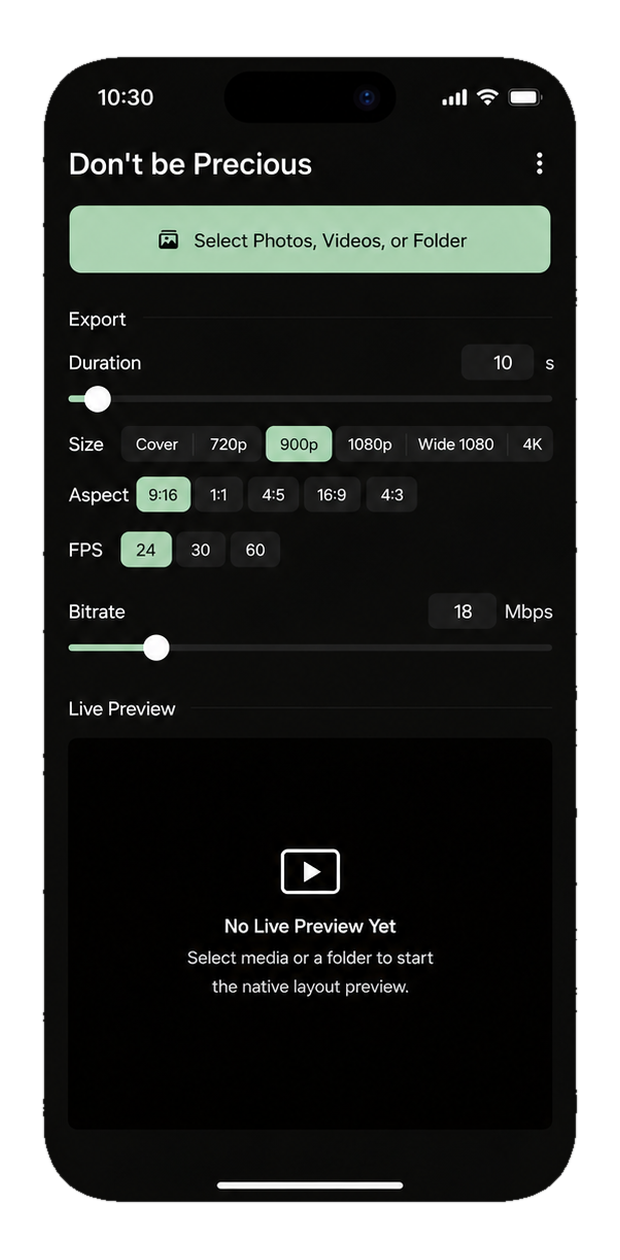
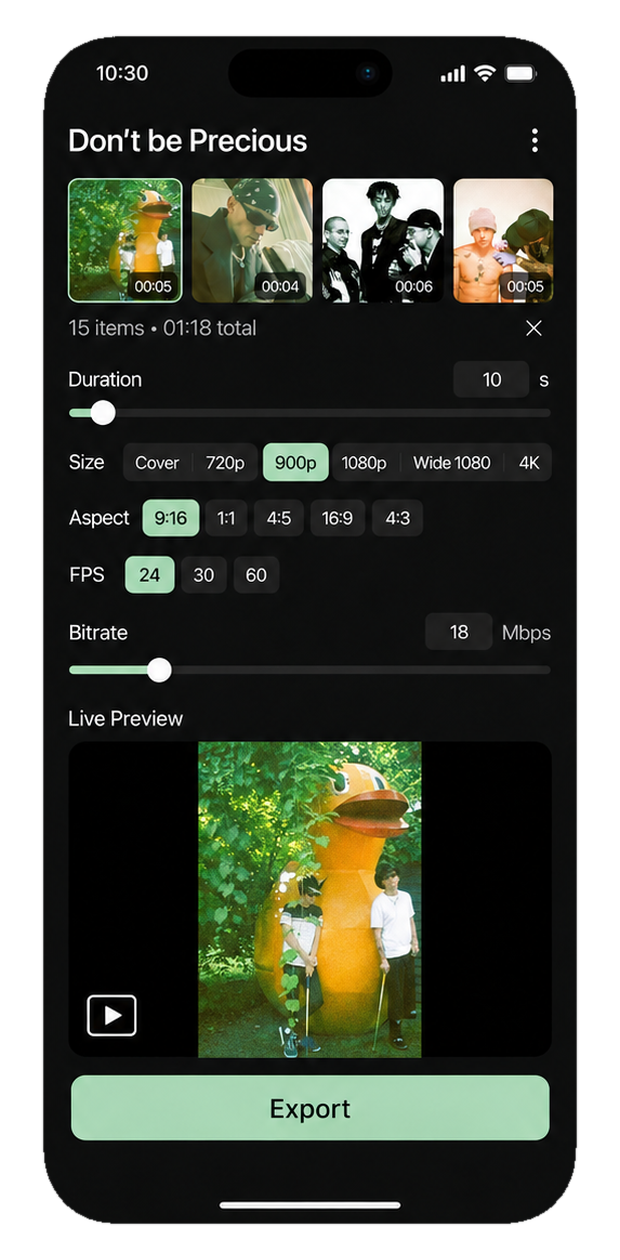
We have already built the Don’t Be Precious mobile app, opening up the same creative tools we have been building for Harry.
People can bring in their own photography, video, writing and sound, then use the system to find new ways through material they already made.
The app works with their real life, their taste and their point of view. It gives more people access to the kind of custom creative systems usually built behind closed doors for major artists and campaigns.
Harry’s album becomes the first complete example of what it can do before the system opens up to the world.
why OpenAI
OpenAI is already part of the way Don’t Be Precious is being built.
Max uses OpenAI and Codex to help develop the custom scripts, tools, workflows and app behind the project. The relationship is real, the technology is already inside the creative process and the work already exists.
Don’t Be Precious gives OpenAI a genuine cultural use case for its technology as a tool for artists. Not generating the artwork, but helping artists build entirely new ways to create it.
why us
Don’t Be Precious gives us the world, the material and the visual philosophy. OpenAI gives us the technology and scale to help the creative system grow.
Together, we can create a new way for artists and the people around them to document real life, build their own creative tools and keep finding more inside the material they already have.